
Steel Sectional Doors
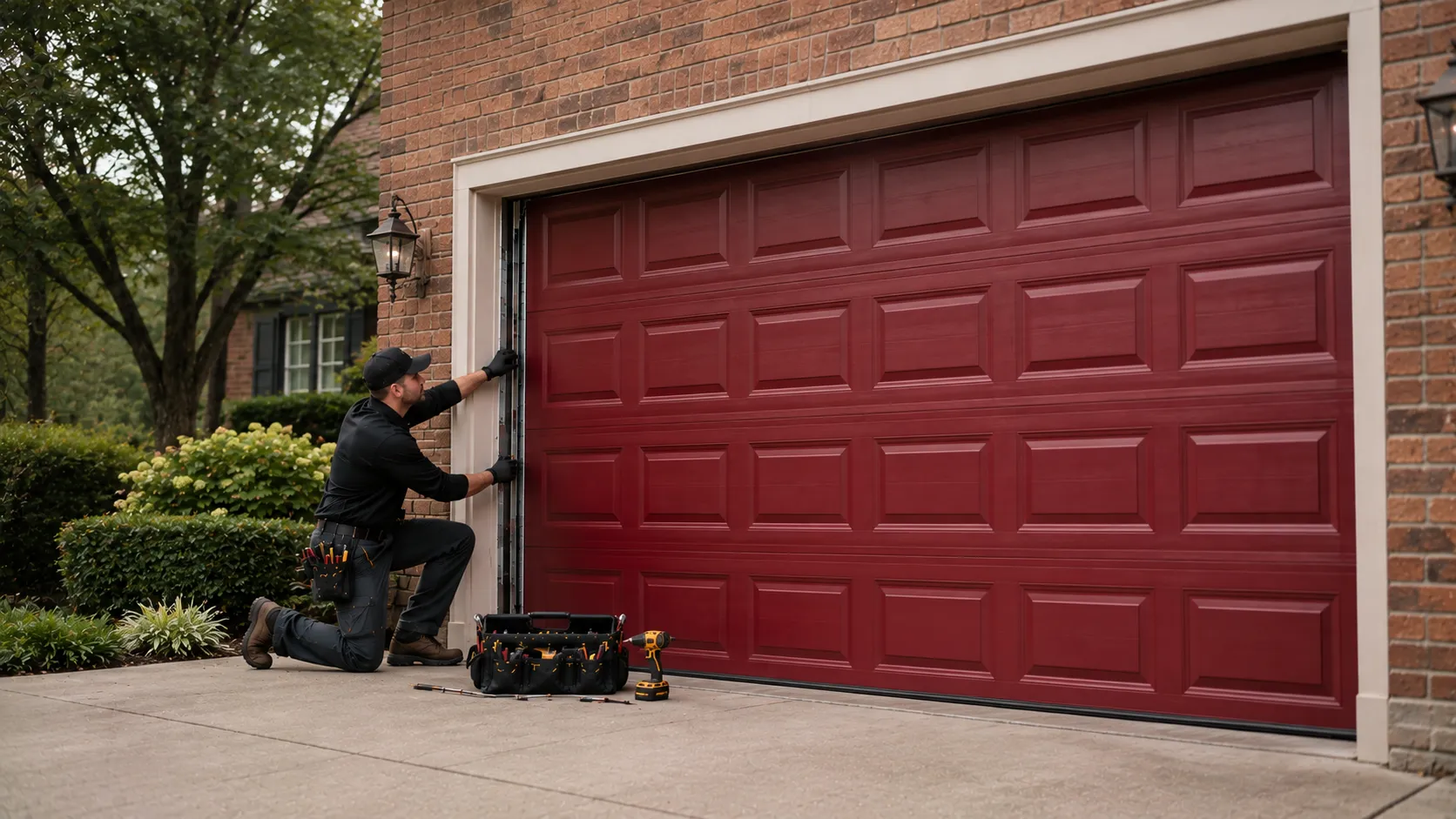
Standard steel sectional doors are common across the tract-built housing stock, which shapes how panels, rollers, and hardware are repaired.
Local garage door service · Gilbert, AZ
Garage door repair and installation for Gilbert homes built mostly between 1990 and 2002, covering cable repair, maintenance, off-track repair, opener installation, commercial garage door service, and the residential systems common across the area's 1990s tract housing.
Garage door services
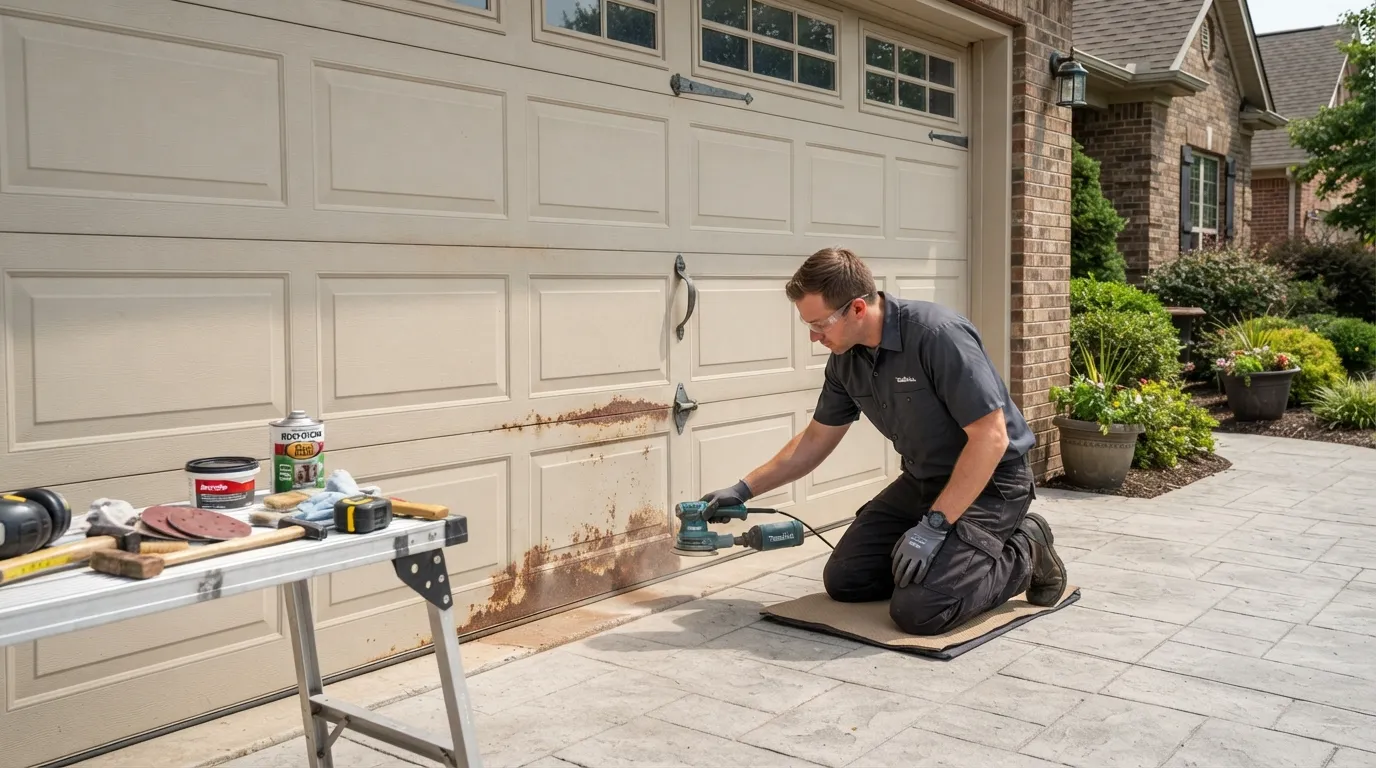
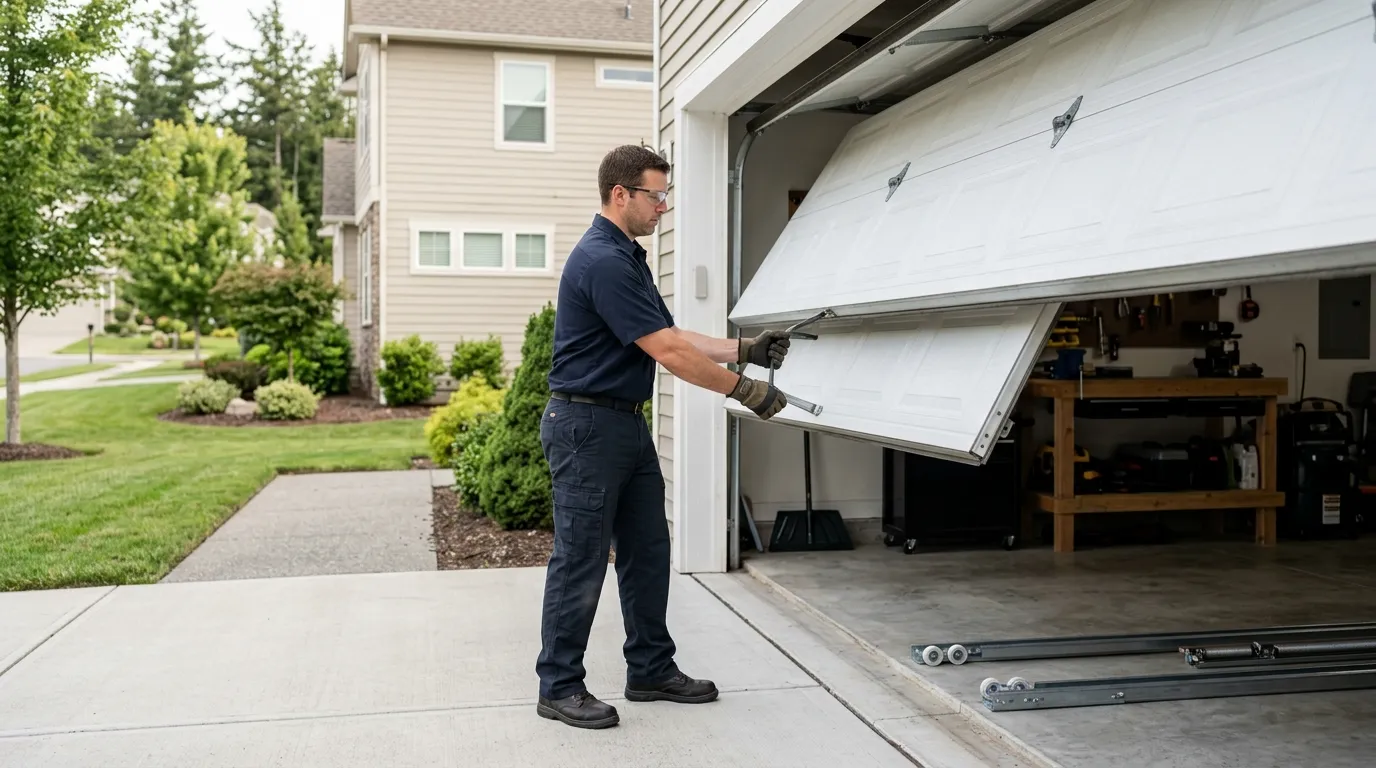
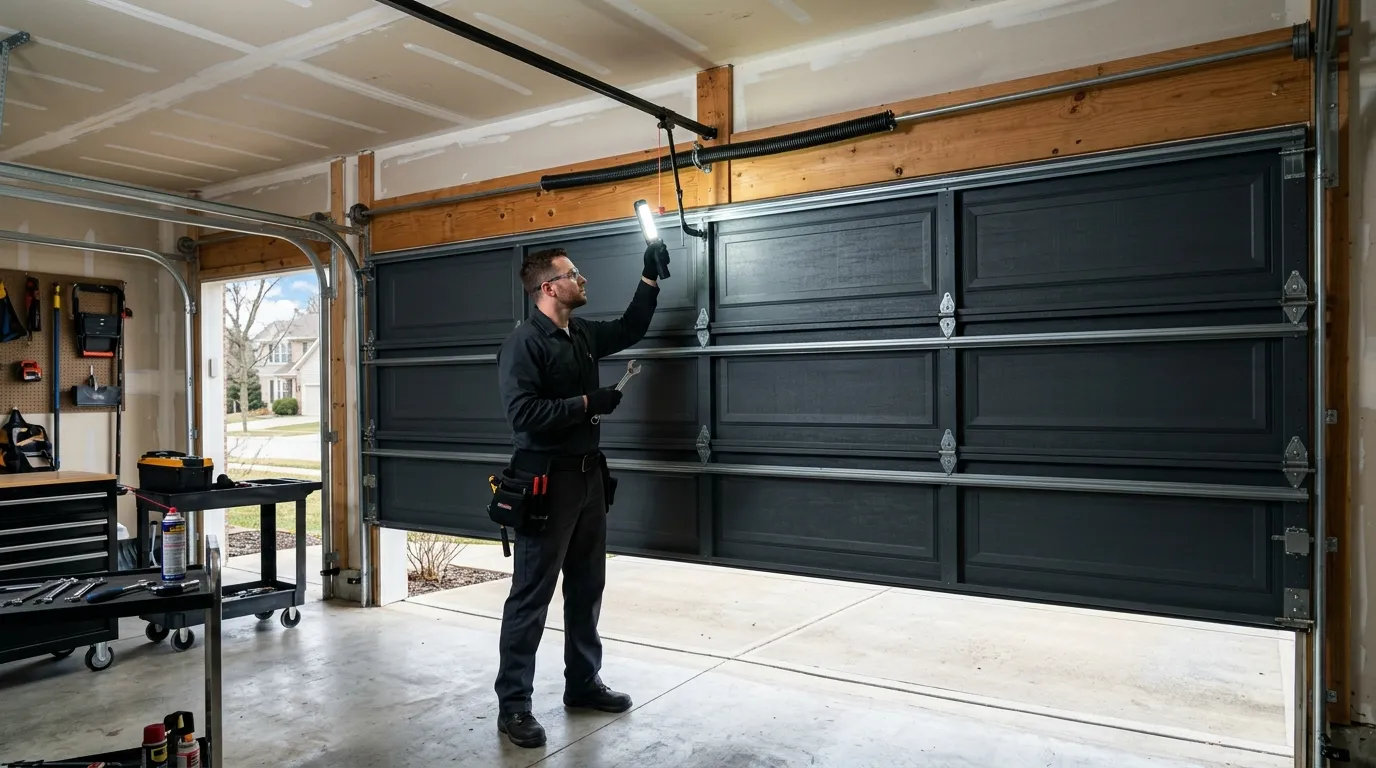
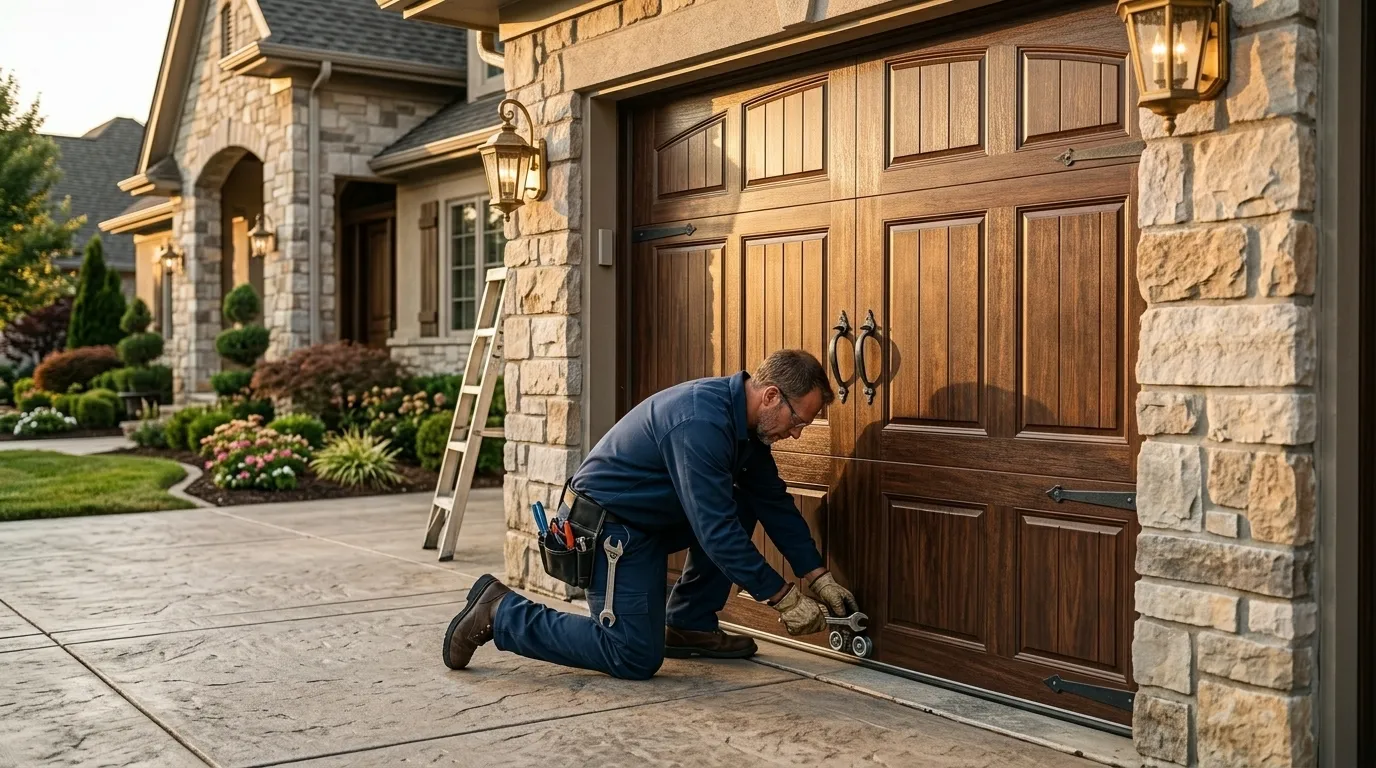
From cable repair and general garage door service to installation, maintenance, off-track repair, opener installation, and commercial garage door work, the service lineup is built around the systems common across Gilbert's 1990s-era housing stock.
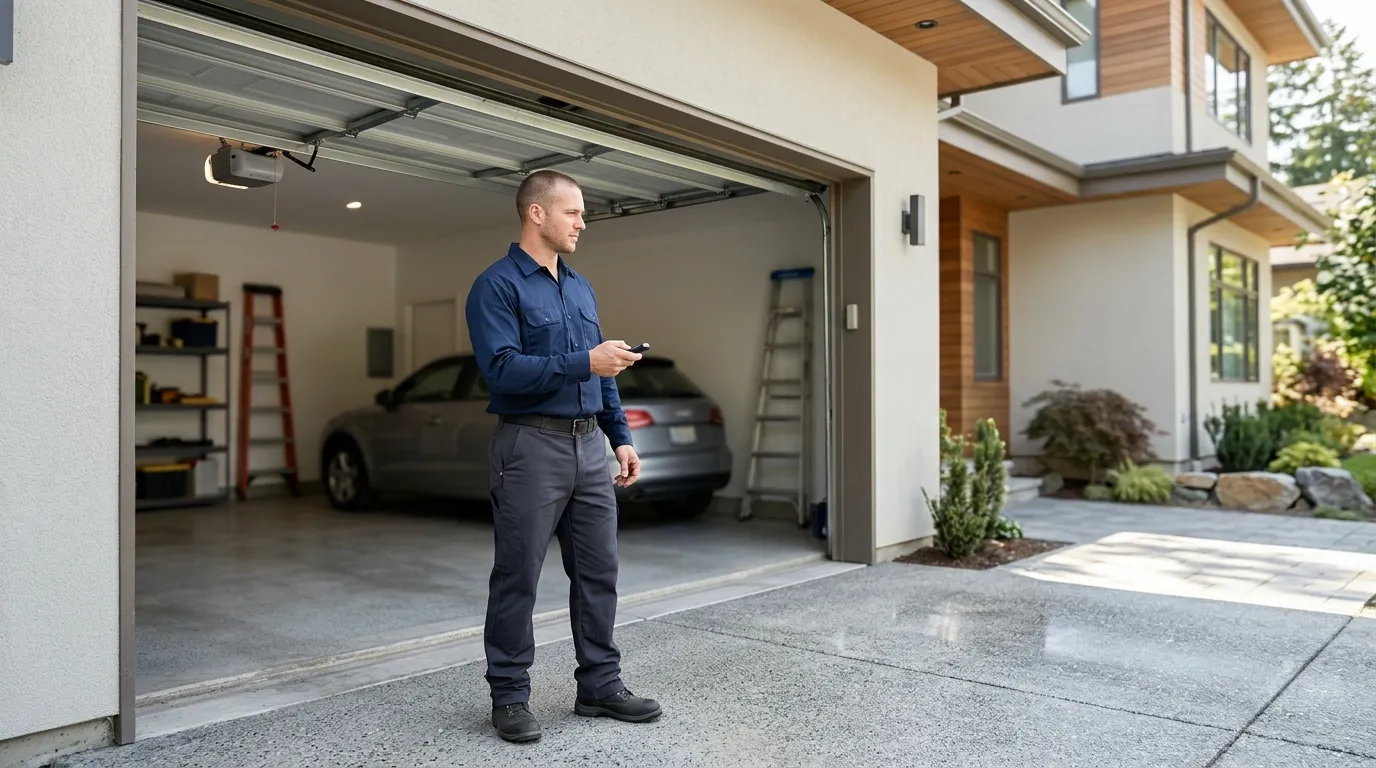
Local housing matters
Most of the housing here was built between 1990 and 2002, with a median build year around 1993.
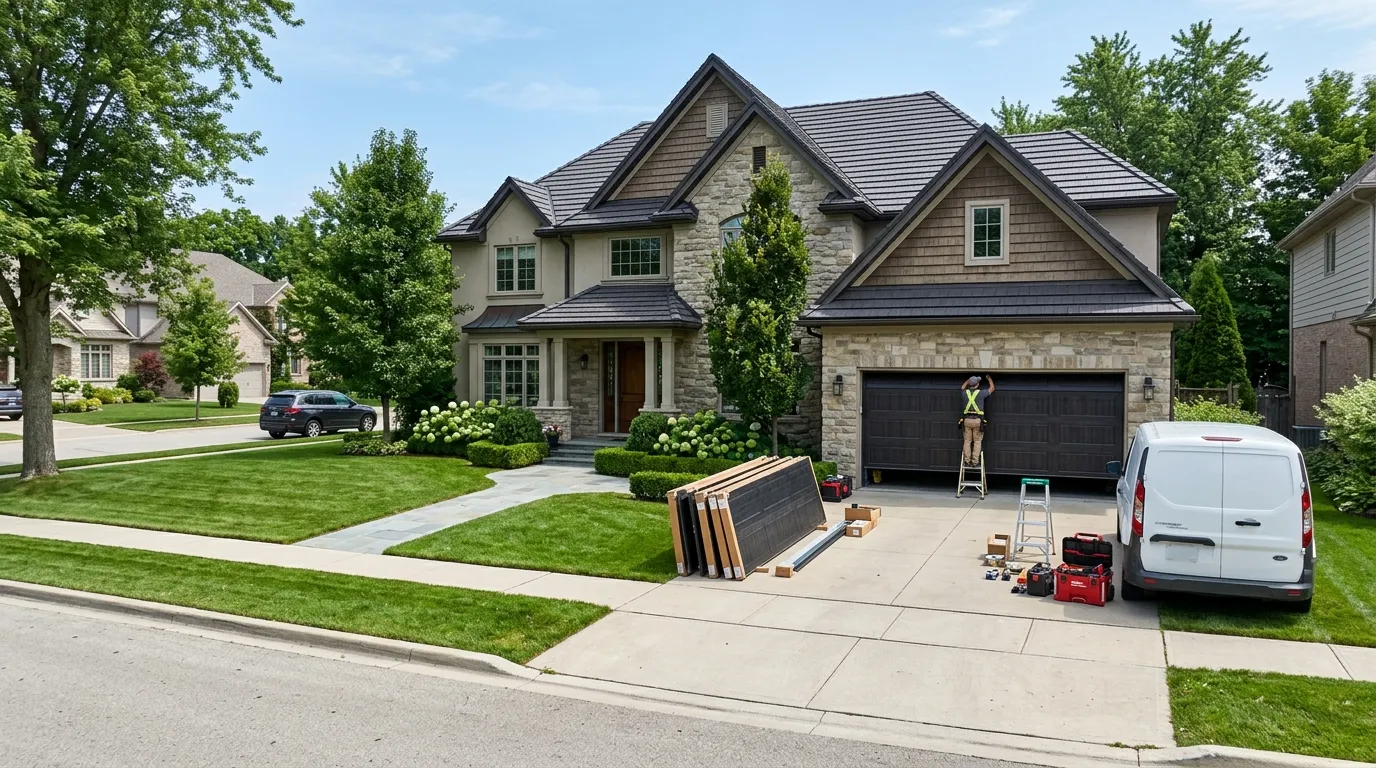
That relatively tight construction window creates a large concentration of tract-built homes with steel sectional doors, standard-height double openings, torsion or extension spring systems, and opener hardware installed during the same general building era.
Nearby pockets like Higley Pointe, Morrison Ranch, and Power Ranch share similar garage door setups.
Many original systems from this period have now accumulated decades of daily cycles or have already received one or more spring, opener, roller, or panel replacements.
The house's build year provides useful context, but the correct repair still depends on the hardware actually installed today.
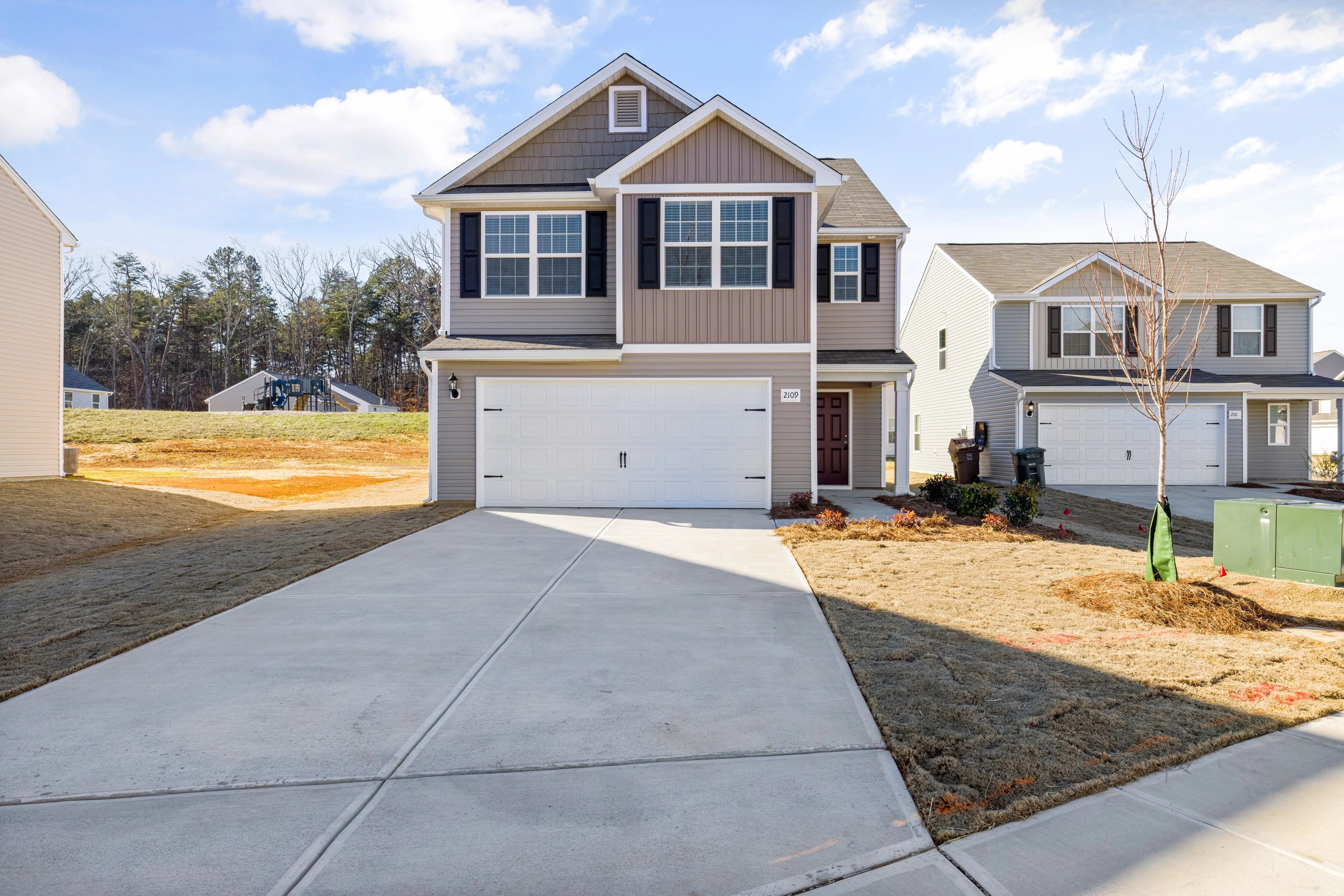
1990s-era garage door systems
Homes concentrated around the 1990s building boom often share similar garage door dimensions, spring systems, sectional steel doors, tracks, and opener generations.
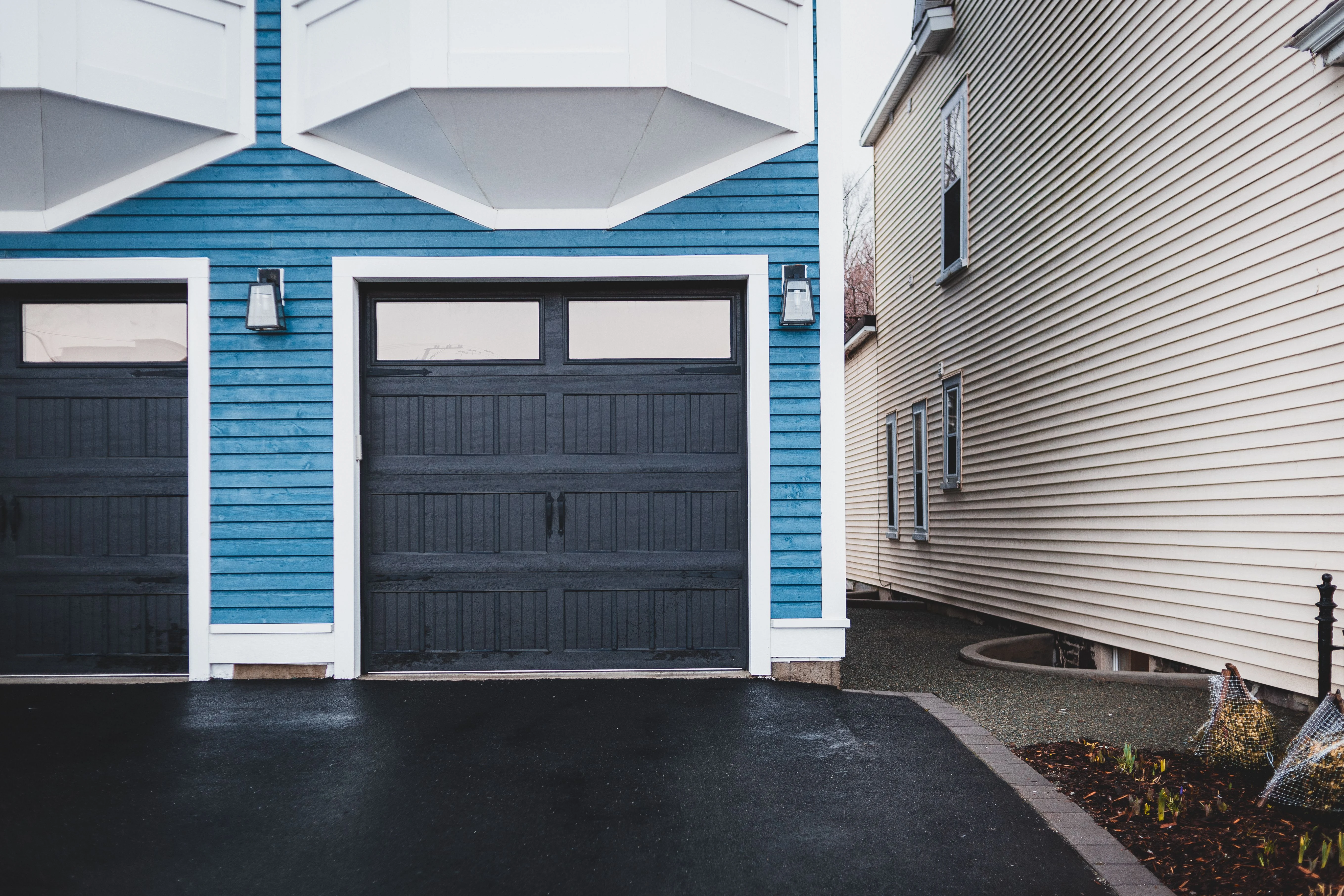
Standard steel sectional doors are common across the tract-built housing stock, which shapes how panels, rollers, and hardware are repaired.
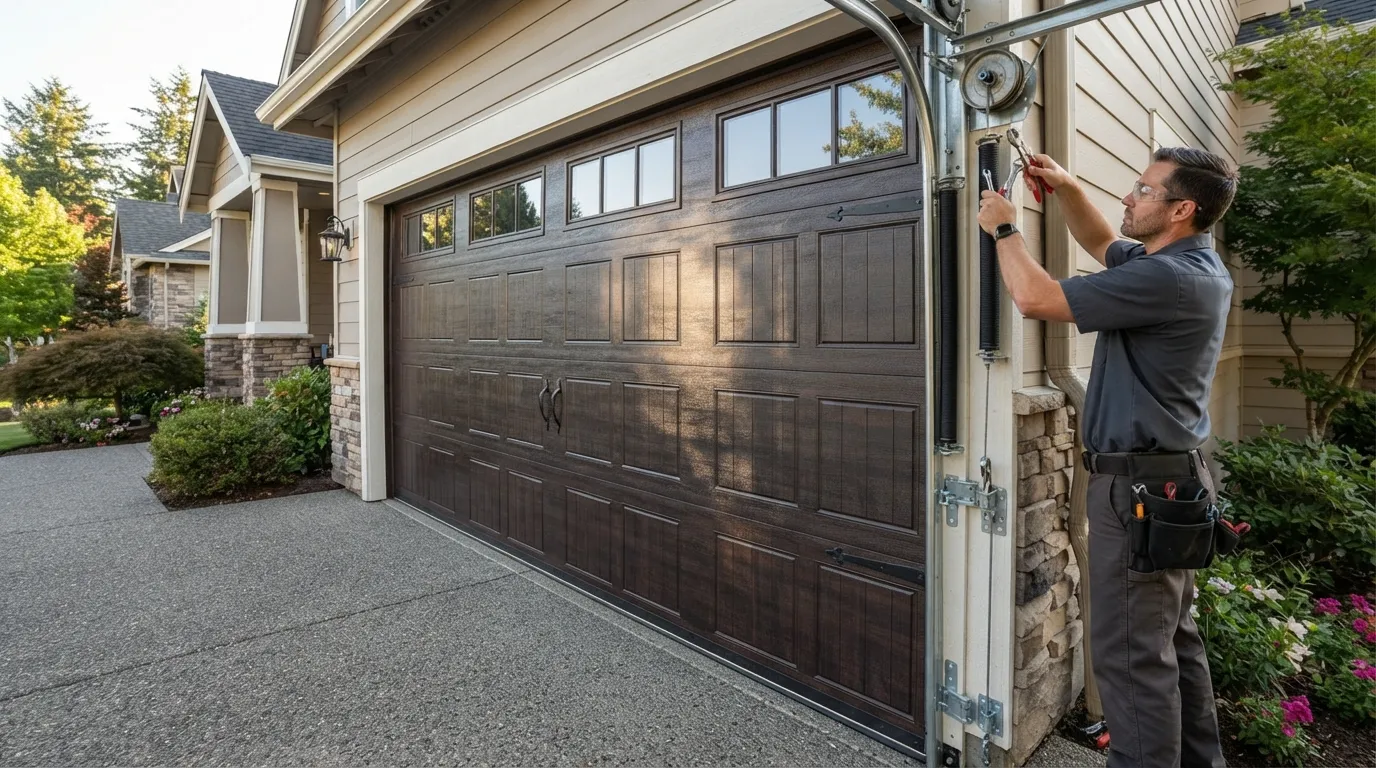
Garage doors from this build period can use either torsion or extension spring systems depending on the original configuration, so the spring is matched to the door.
Many homes use familiar residential door dimensions and double-door configurations associated with the area's tract construction, which keeps parts predictable.
Openers installed during the 1990s-era building period may now be on replacement boards, motors, sensors, or complete replacement units.
What to expect
We start with what the door is actually doing, use the symptoms to point toward the likely cause, then inspect the whole system — springs, cables, rollers, track alignment, opener force, and sensors — before pricing the repair.
Tell us whether the door won't open, moves crooked, made a loud bang, or the opener runs without moving the door. That symptom is the starting point.
The symptoms can point toward springs, cables, rollers, tracks, opener components, or safety sensors before the on-site inspection, so we arrive prepared.
We check springs, cables, rollers, track alignment, opener force settings, and sensors rather than focusing only on the visible symptom.
The failed component, recommended repair, and price are explained before work begins, so you decide with the full picture in front of you.
Some Parts May Need Sourcing
If a required spring, opener component, or other part is unusual for the door's age or size, we explain that instead of substituting an incorrect component.
Common Gilbert garage door problems
Worn springs, aging opener components, brittle rollers, cable problems, off-track doors, and damaged panels make up much of the work across Gilbert's 1990s-era housing stock. Broken torsion springs are the most common call; opener problems follow, from stripped gears to capacitors, sensors, and motors; and roller and cable wear show up on doors running original hardware since the home was built — predictable wear across similarly aged homes rather than unusual failures.
Garage door springs eventually reach the end of their useful cycle life after years of repeated opening and closing, and they're the most common service call here.
Aging openers can develop stripped gears, capacitor failures, sensor problems, motor issues, or other drive-system faults as they age.
Older rollers can become noisy, brittle, rough, or resistant after decades of regular use, which puts extra strain on the opener.
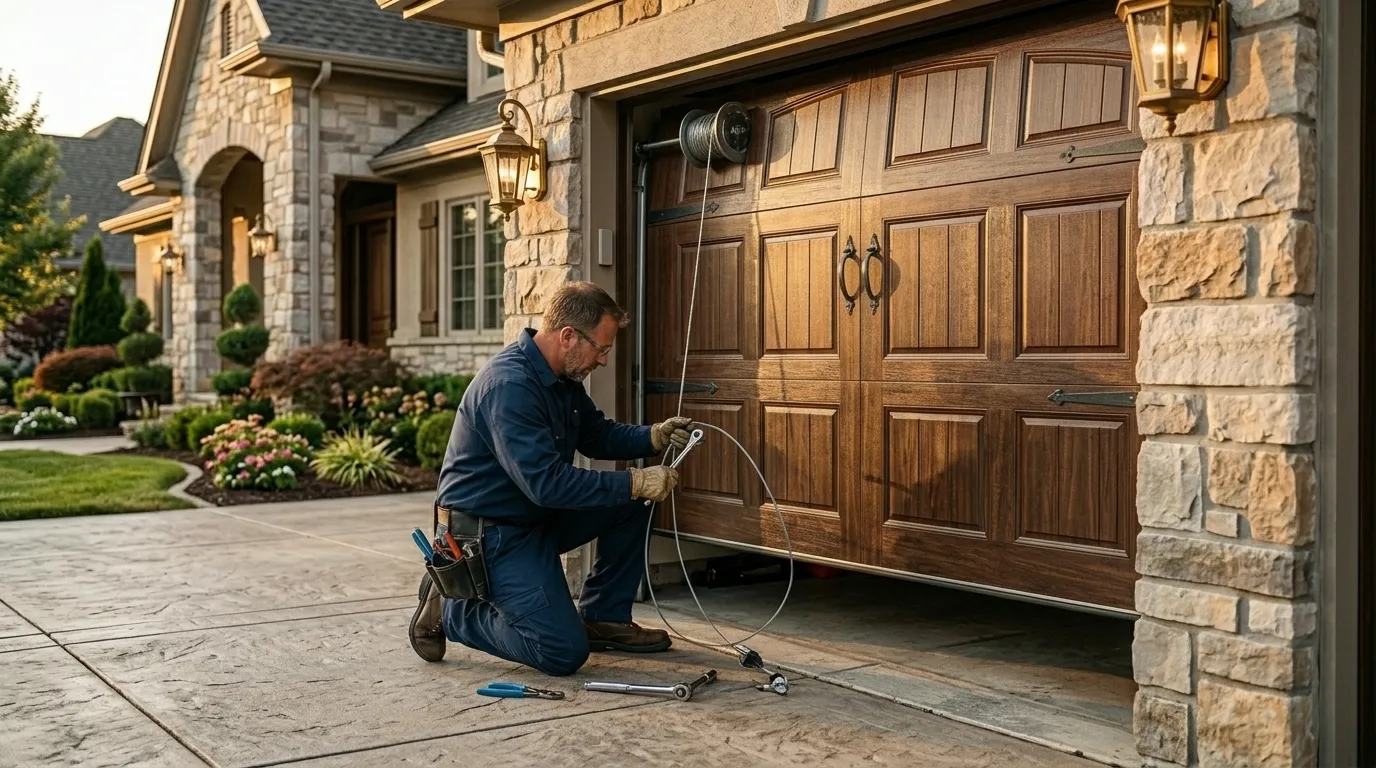
Cables can fray, loosen, or fail after years of carrying repeated lifting loads, especially on aging double-door systems.
Impact, roller problems, or long-term hardware wear can leave tracks misaligned or panels damaged, sometimes from vehicles or driveway activity.
High-heat garage door wear
Gilbert is a severe-heat environment, and long-term heat exposure can make wear in springs, rollers, seals, opener electronics, and other components more noticeable over time.
Daily door cycles remain the primary source of spring fatigue, while high operating temperatures can add stress to already aging hardware.
Older nylon rollers can become brittle, noisy, or rough as years of use and heat exposure accumulate, leaving the door louder and rougher.
Capacitors, logic boards, sensors, motors, and other opener components can eventually develop age-related reliability problems in a hot garage.
Long-term heat can dry seals and reduce the effectiveness of older lubricants around moving garage door hardware.
Keep the system moving
Many Gilbert garage doors are now decades into regular use, so periodic inspection can catch roller wear, cable damage, spring problems, track movement, and opener strain before a small issue becomes a complete failure.
Changes in door balance can indicate the spring system is no longer carrying the door as effectively as it should, which is worth catching early.
Fraying, looseness, or uneven cable tension can indicate lifting-system wear before complete failure drops the door.
Noise, vibration, rough travel, and visible roller wear can point to developing roller or alignment problems before they worsen.
Changes in sound, force, sensor response, remote reliability, or travel can provide early signs of opener trouble.
Clear repair guidance
There isn't a flat price list, because spring work, cable repair, opener replacement, track correction, and other jobs have different parts and labor requirements.
Door size and weight, single versus paired springs, opener condition, wiring requirements, track condition, and the age of the installed hardware can all affect the repair scope.
Median household income across the broader service area is approximately $63,545.
We inspect the door in person and give the price before work begins.
If a targeted repair can keep a sound garage door operating reliably, we repair it rather than automatically recommending full replacement.
Repair or replace?
A spring, cable, roller, opener, or localized track problem does not automatically mean the complete garage door needs replacement. Replacement becomes more practical when several major components or the door structure itself are already failing.
A targeted repair can make sense when the panels, tracks, rollers, opener, and surrounding hardware remain serviceable. One failed part is no reason to replace a sound door.
A gear, capacitor, sensor, or other opener component can remain a repair candidate when the rest of the unit is sound and parts are available.
Replacement can become more practical when the door already has several damaged or deteriorated sections.
If springs, rollers, cables, and opener components are all reaching the end of their useful life together, broader replacement may offer better value.
Service areas
Questions
In this area, heat is usually the reason. Severe summer heat cycles steel springs harder than a milder climate would, so torsion springs here tend to fatigue and snap sooner than the same part would in a cooler region. If your door is original to a 1990s-era build, the springs may simply be at the end of their working life.
We run calls out toward Sun Lakes, Apache Junction, Sacaton, and Gold Canyon, along with the closer pockets like Higley Pointe, Morrison Ranch, and Power Ranch. Most of our regular work sits in the tighter loop, but we'll take calls further out on the same run.
Because a spring job, a cable job, and an opener swap all cost different amounts depending on door size, hardware age, and what's actually failed. We look at the door in person and quote before we start, so you know the number before any work begins.
Often yes. If the opener is original to a house built in that 1990-2002 window, parts are getting harder to match and a second failure within a year usually means the motor's on its way out. We'll tell you honestly if a repair is a short-term fix rather than a real solution.
Ready when you are
Tell us what the door is doing and we'll help you figure out whether you're dealing with a cable, roller, track, off-track door, opener issue, maintenance problem, aging hardware, or a system that's reached the point where replacement makes more sense.