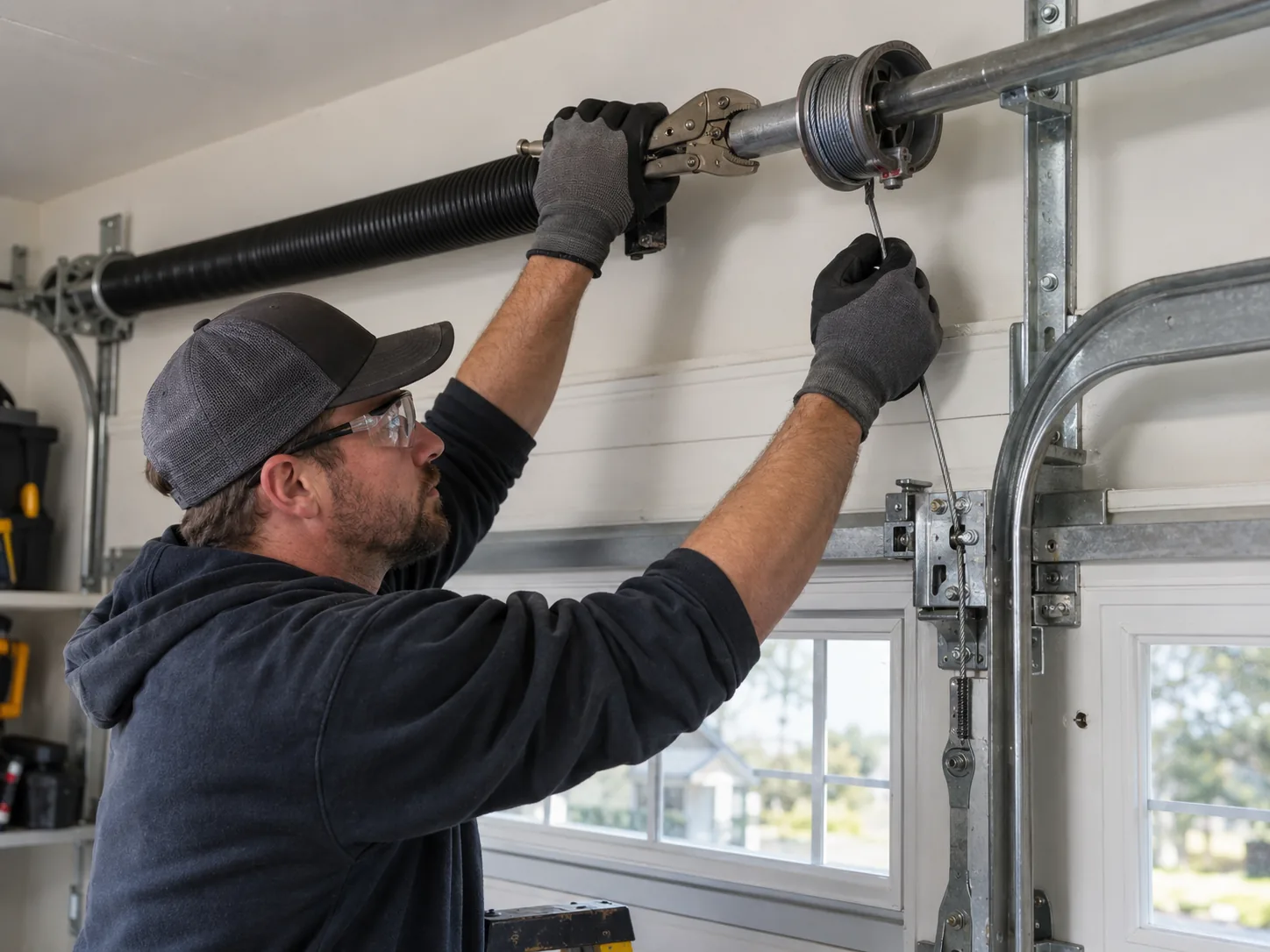
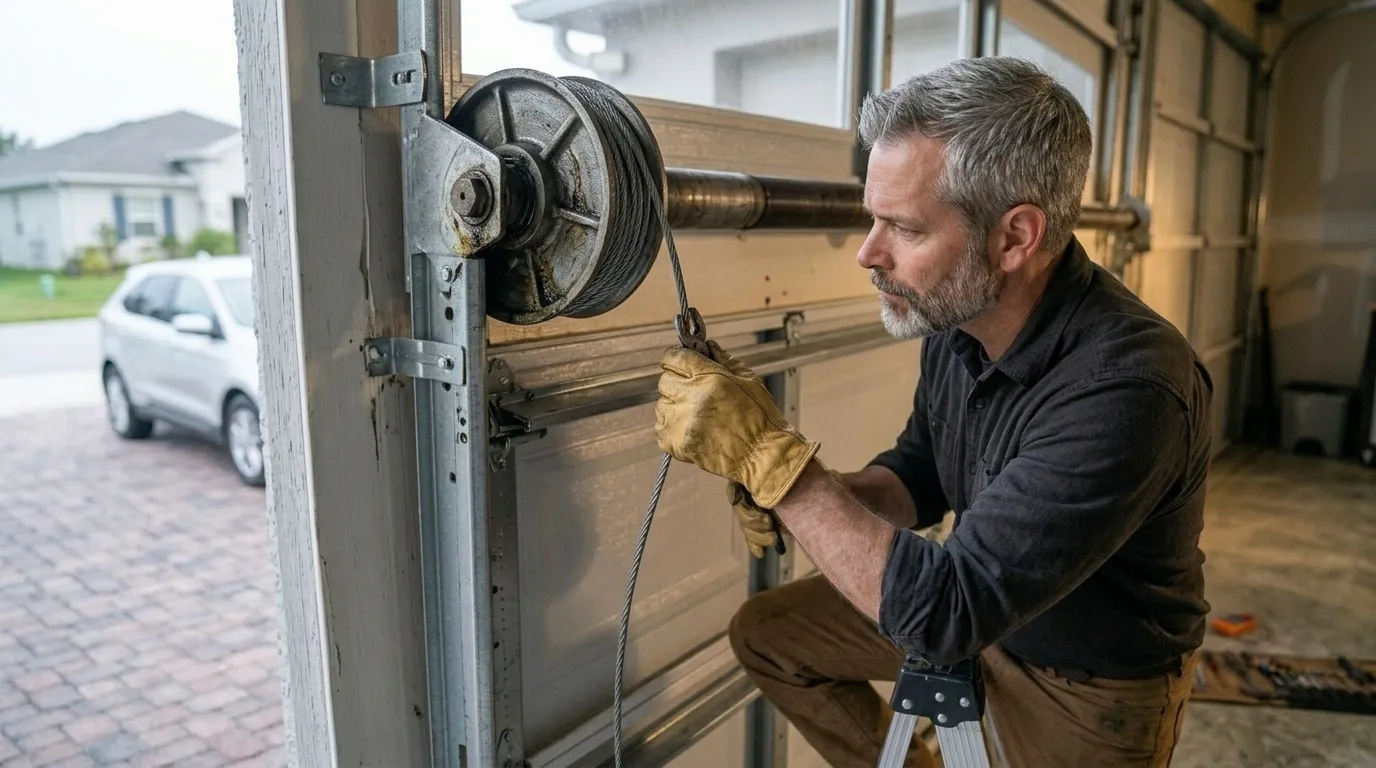
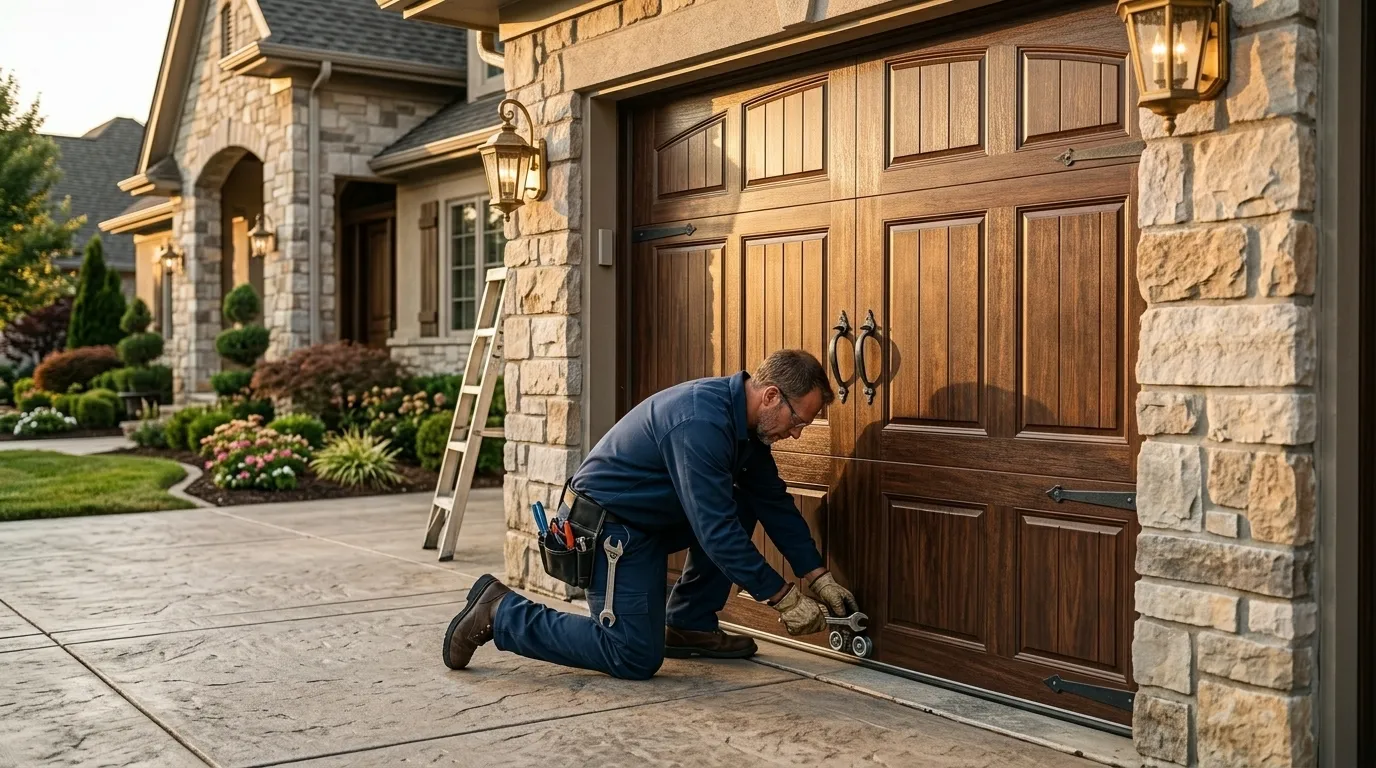
A door built into a 1990-era opening was engineered for the heat load and building practices of that year, not for three more decades of Arizona summers on the same springs and hardware. Severe heat cycles metal fast - torsion springs lose tension, nylon rollers crack, and lift cables stretch unevenly on doors that have been sitting in this heat band since before 2000.
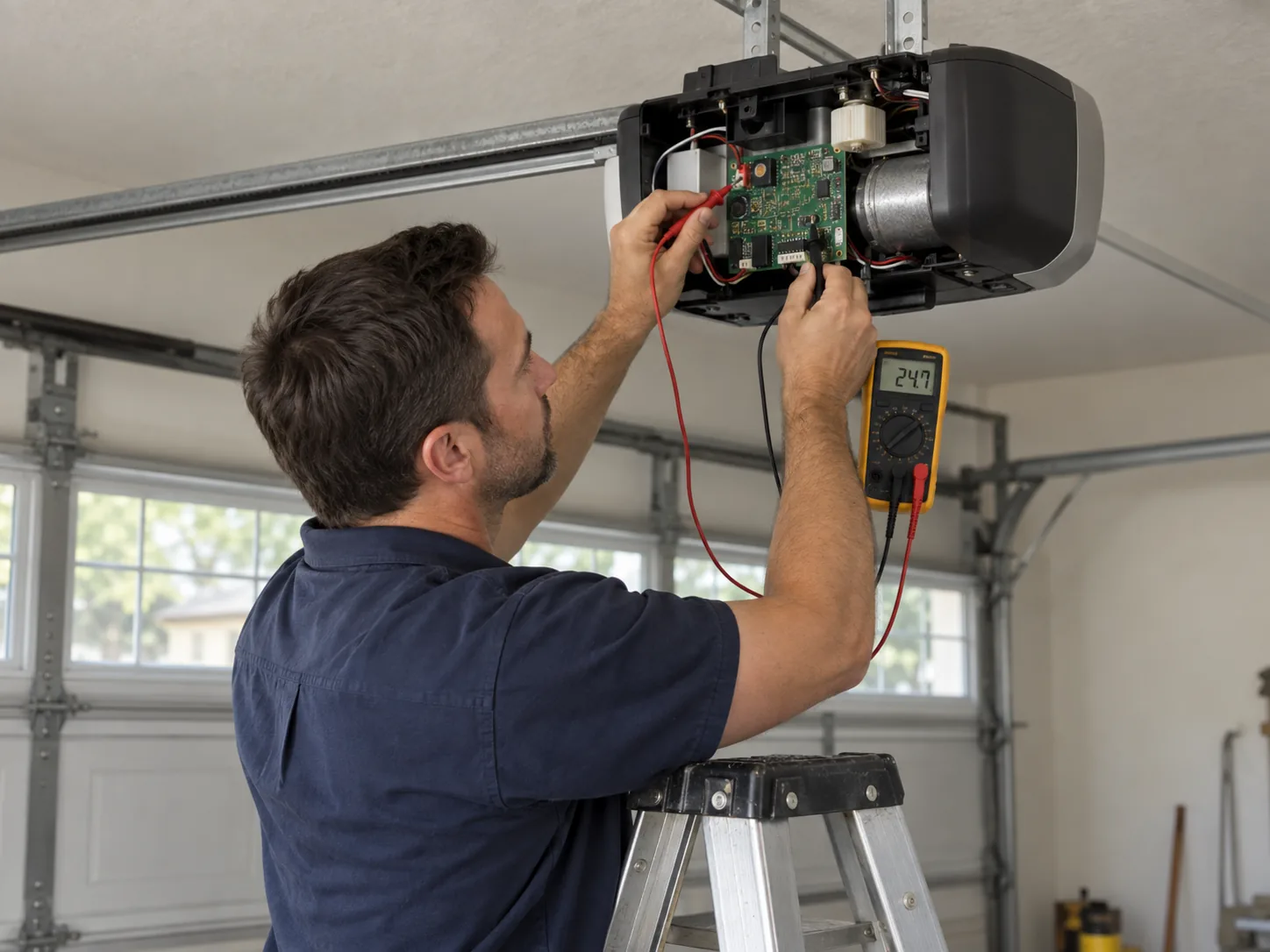
The other issue is the opener. A lot of original units in homes built around 1990 are chain-drive models with light-duty circuit boards never meant to run in ambient garage temperatures this consistently high. When those boards fail, the failure often looks electrical when the real problem is the door itself binding on worn track, making the opener work harder than it should.
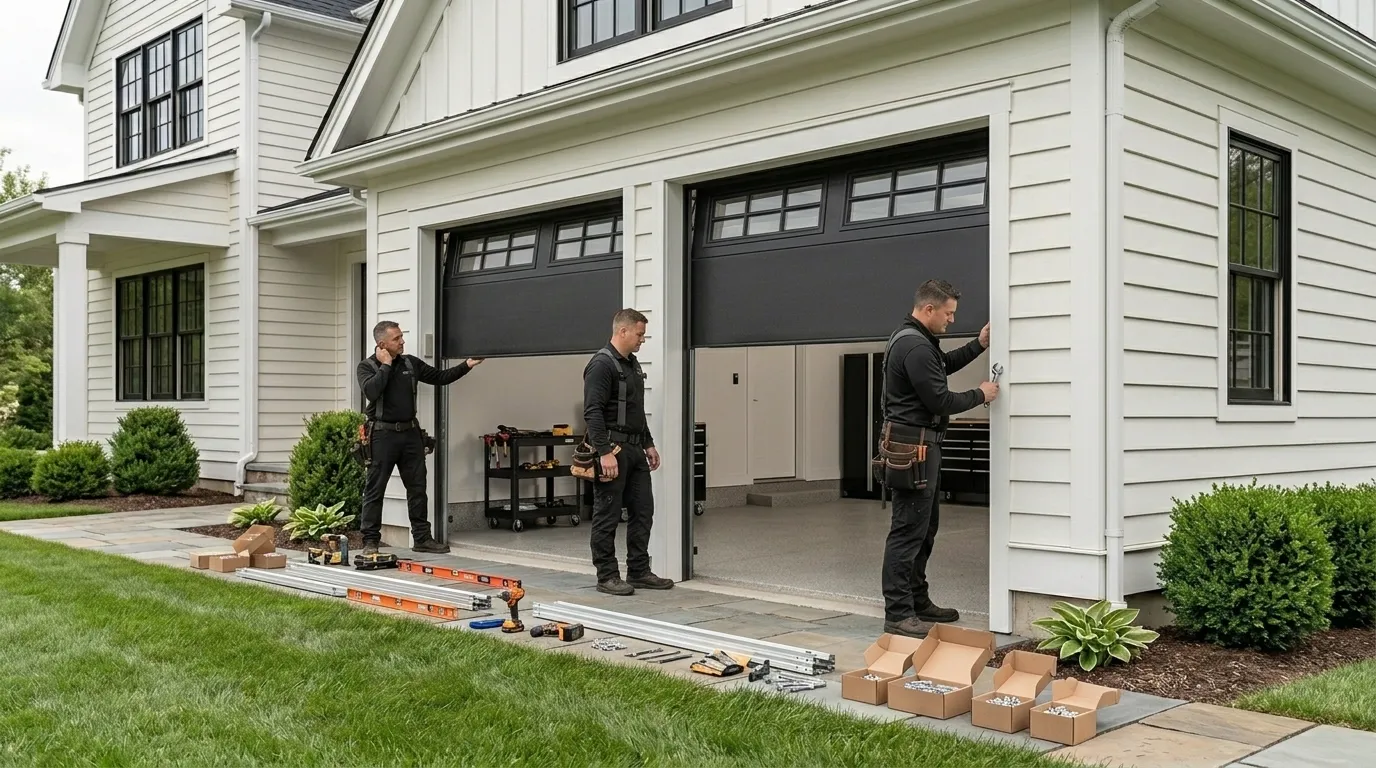
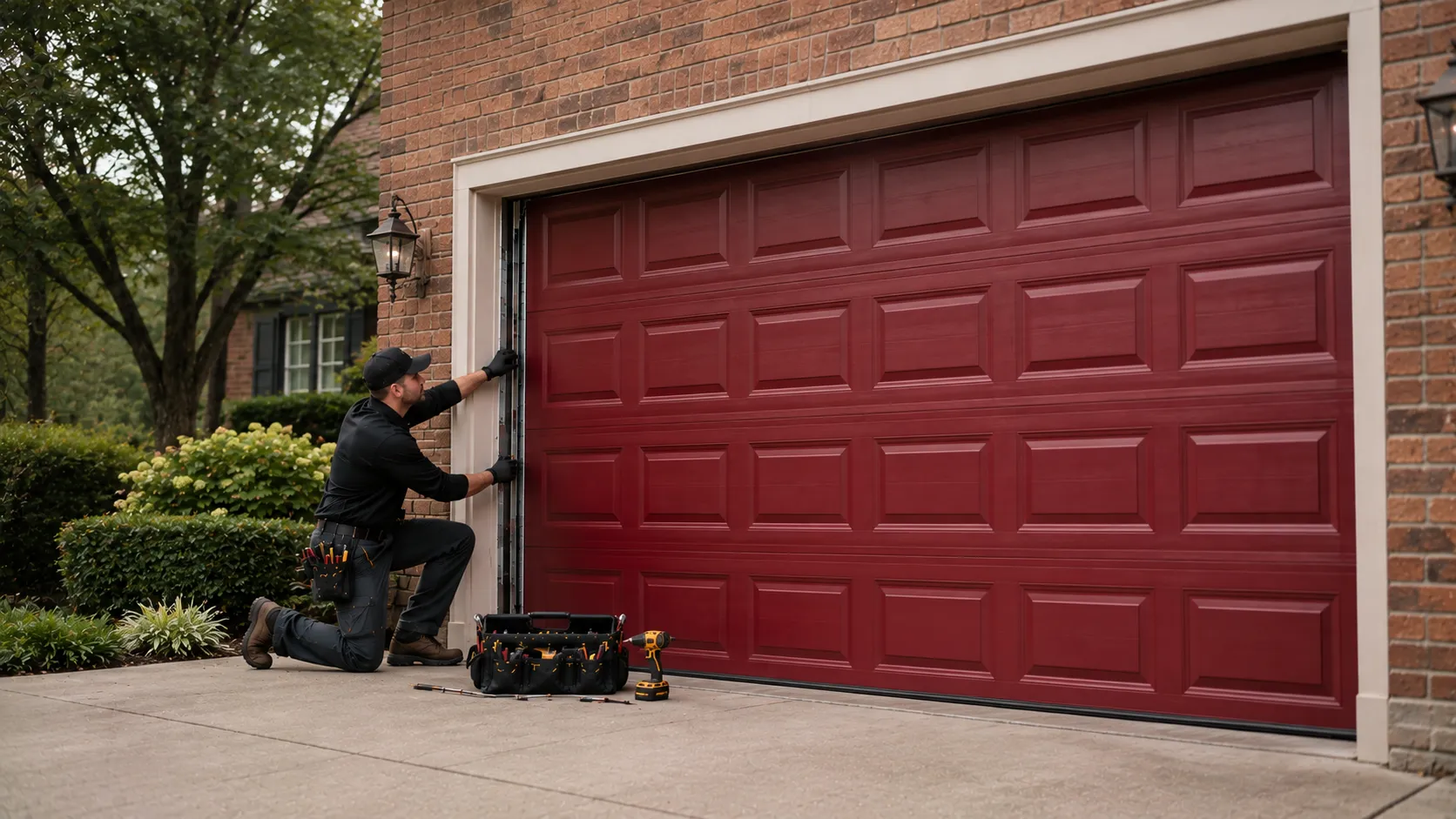
We don't push replacement on a door that's still sound. If the panels are straight and the track is true, a spring and roller service gets more years out of what you have. New installation makes sense once the door is warping, the panels are dented past repair, or the opening itself needs resizing - decisions we make standing in front of the actual door, not off a phone estimate.