Garage Door Service for Apache Junction, Serviced from Gilbert in Gilbert

Apache Junction, Gilbert

Garage Door Service for Apache Junction, Serviced from Gilbert

Garage door repair and replacement for Apache Junction homes built mostly in the 1990s, served from our Gilbert shop 13 miles away. Real numbers, no branch fiction.

Serving Gilbert, AZBackground-checked techsHonest, upfront pricingFast local response

Booking

Booking a Visit

We don't have a shop in Apache Junction. We run out of Gilbert, 13 miles west, and that drive is part of every appointment we schedule out here, not something we hide. When you call, we ask what the door is doing, how old the house is, and whether the opener has ever been swapped, because those answers change what's in the truck when it shows up.

We don't quote a response time for this town and won't pretend otherwise - jobs closer to Gilbert get worked in first, and Apache Junction visits get grouped with other calls on that side of the valley so the trip makes sense for both of us. If your spring just went and the door won't move, say so when you call; that changes the order of the day.

What we can promise is that the tech showing up already knows the housing stock here before he pulls in the driveway - same era doors, same era hardware, same failure points he's seen on the last several calls from this side of the service area. Book here or read about the full range of what we cover from the shop on the Gilbert service page.

Booking a Visit
Why This Fails Locally

Local causes

Why This Fails Locally

Apache Junction's median household income sits at $58,619, well under the $63,545 median across the rest of our service area. That gap is exactly the line that decides whether a broken spring gets a repair or the homeowner ends up staring at a full door replacement quote instead - at this income level, a $300 spring job is a decision you sit with, and a $1,800 door swap is not one most households make casually.

Most houses here went up between 1990 and 2002, with the median build year landing at 1993. That means the springs, the opener units, and the track hardware you're dealing with are almost all from that same narrow window - not a mixed bag of decades like you'd find in an older or a newer town. When one 1993-vintage torsion spring goes, the identical spring on the identical door two streets over is usually within a year or two of going too.

Pile the region's severe summer heat on top of a door that age and the failure shows up faster than the spring's rated cycle count would suggest. Heat doesn't age a 1993 door the way it ages a 2015 one - the steel's already worked longer, and it shows.

Timing

How Long It Takes

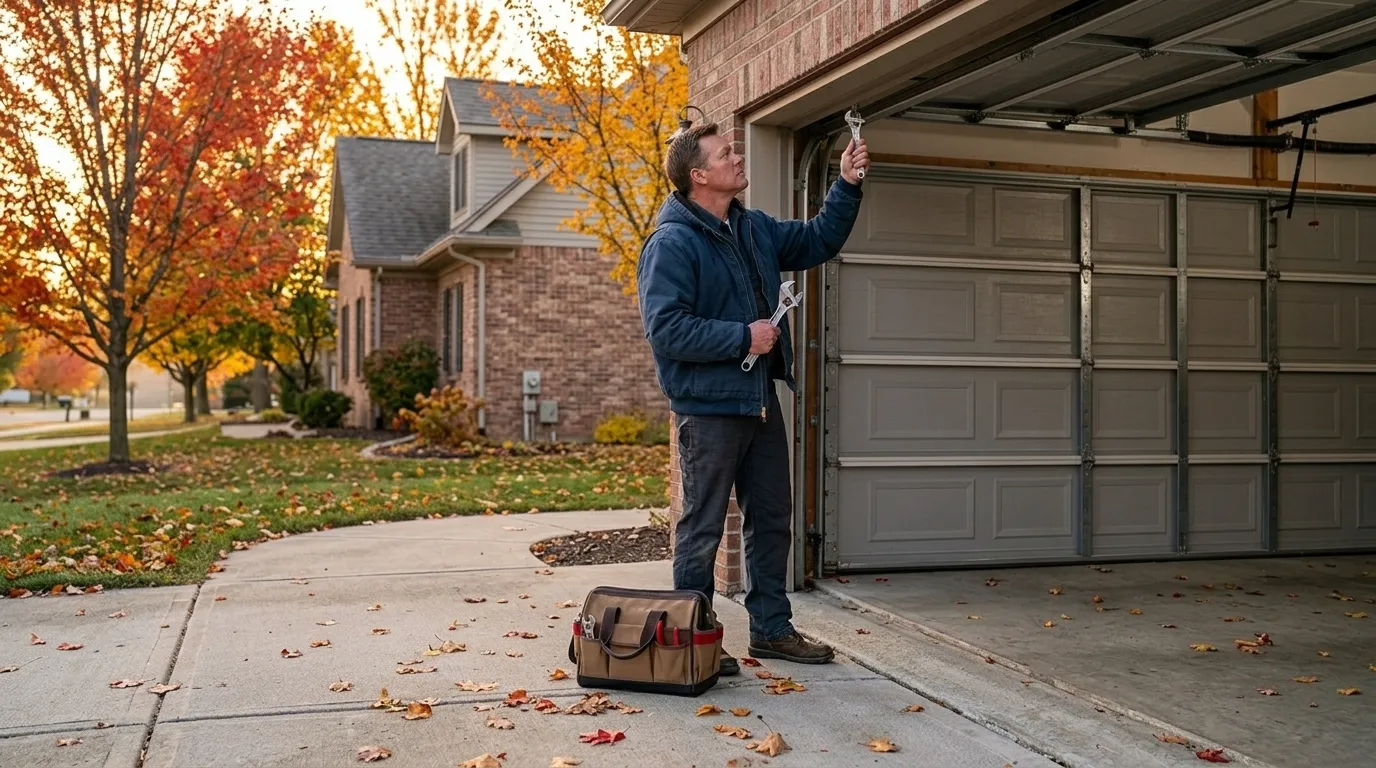
A standard torsion spring swap on a single door usually runs under an hour once the tech is on site.

Distance Plus Diagnostic Time

Add the 13-mile drive from Gilbert and the actual door-open-to-door-closed time for an Apache Junction call is longer than the same job would be for a house five minutes from the shop - that's just distance, not a comment on the work itself. Opener issues take longer to diagnose than to fix.

Wall Switch Sensor Logic Diagnostic

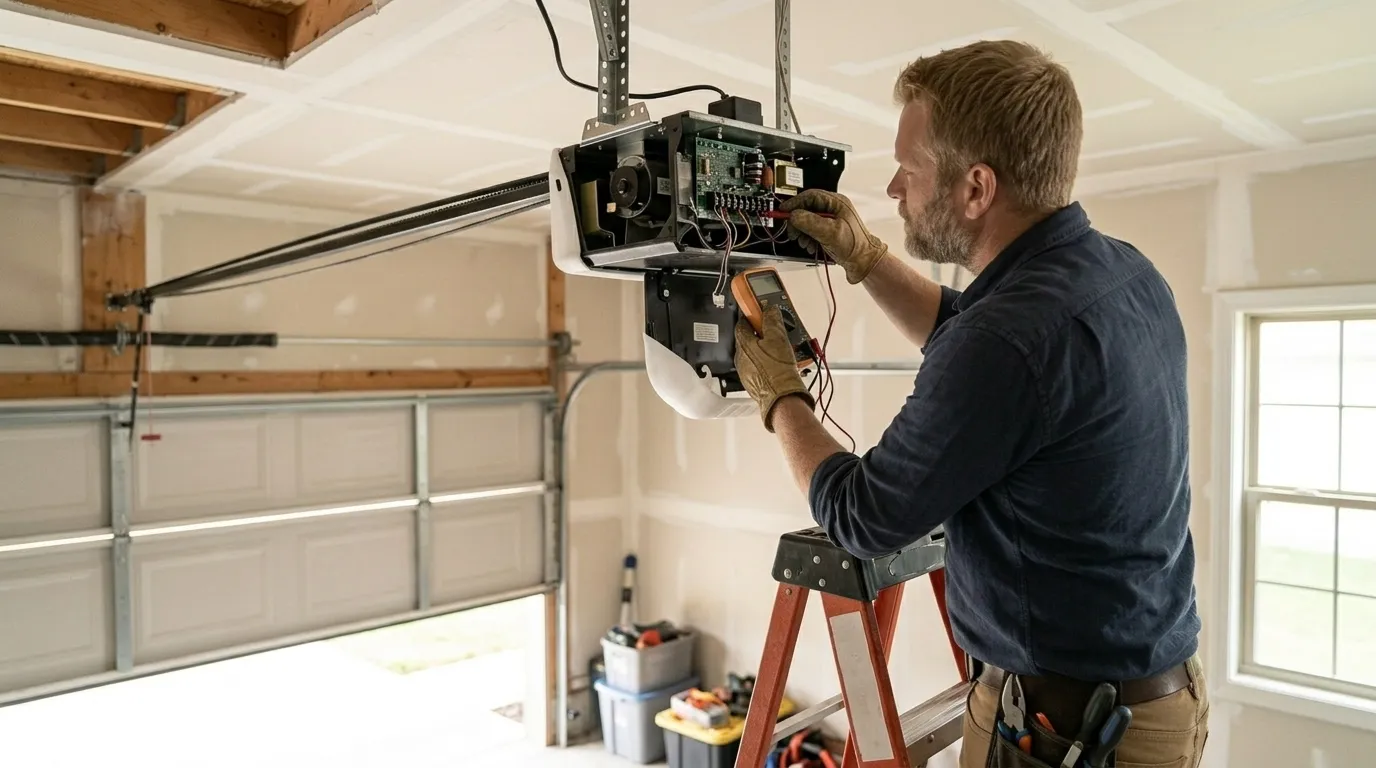
If the board's original 1990s-era hardware and the wiring's never been touched, a tech has to rule out the wall switch, the sensors, and the logic board before touching the motor, and that diagnostic step eats more time than the actual repair on most calls.

Mid-Afternoon Next-Day Slot

What we can't promise is a same-day slot every time. Because we're routing from Gilbert, an Apache Junction call that comes in mid-afternoon may land the next day rather than that evening - we'd rather tell you that up front than promise a window we can't hit.

How It Shows Up

Warning signs

How It Shows Up

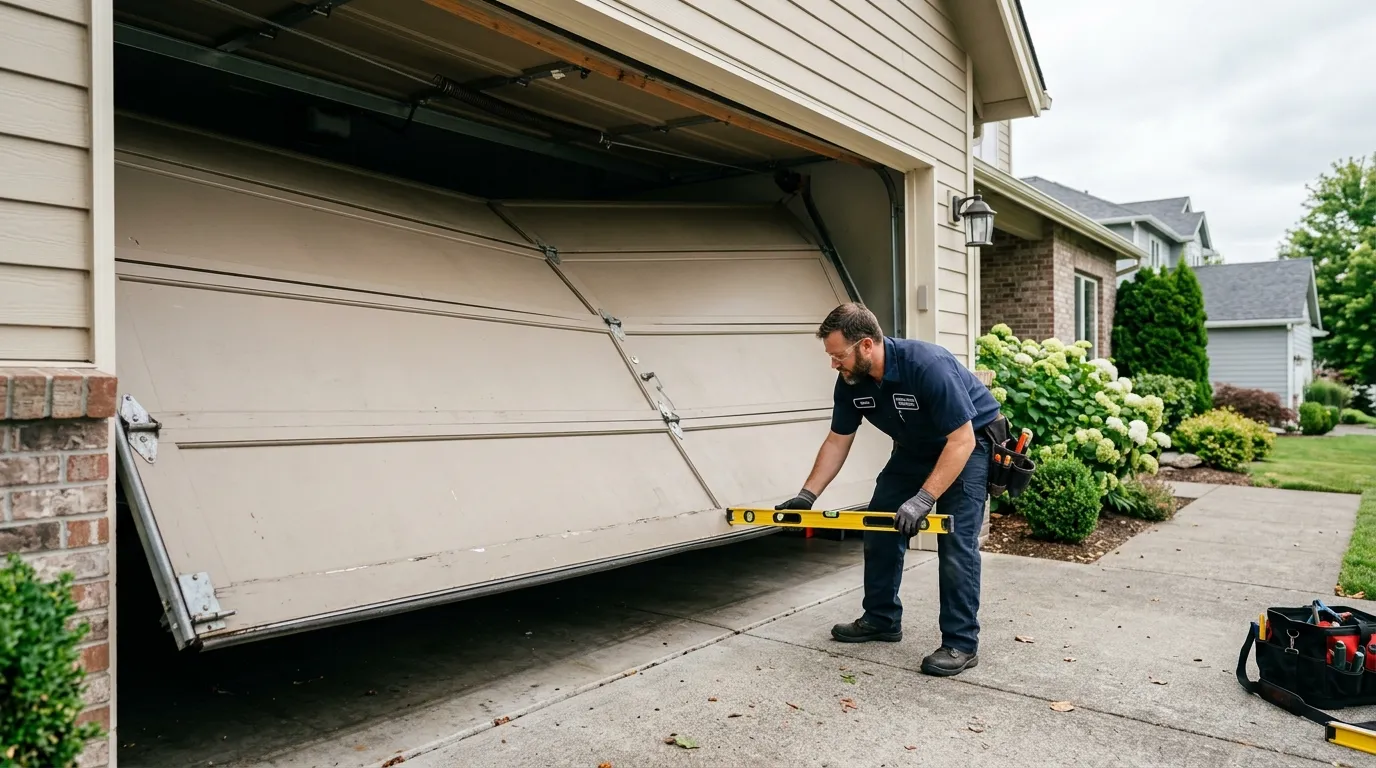
On a door from the 1990-2002 build window, the first sign is usually the spring, not the opener. The door feels heavier lifting by hand, or the opener strains and reverses partway up - that's a torsion spring that's lost tension after three decades of summer heat cycling through the garage.

Second most common: the opener itself, especially if it's the original unit from when the house was built. Chain drives from that era grind before they fail outright, and a rattling, clunking start is usually the warning a homeowner ignores for months before the chain finally skips.

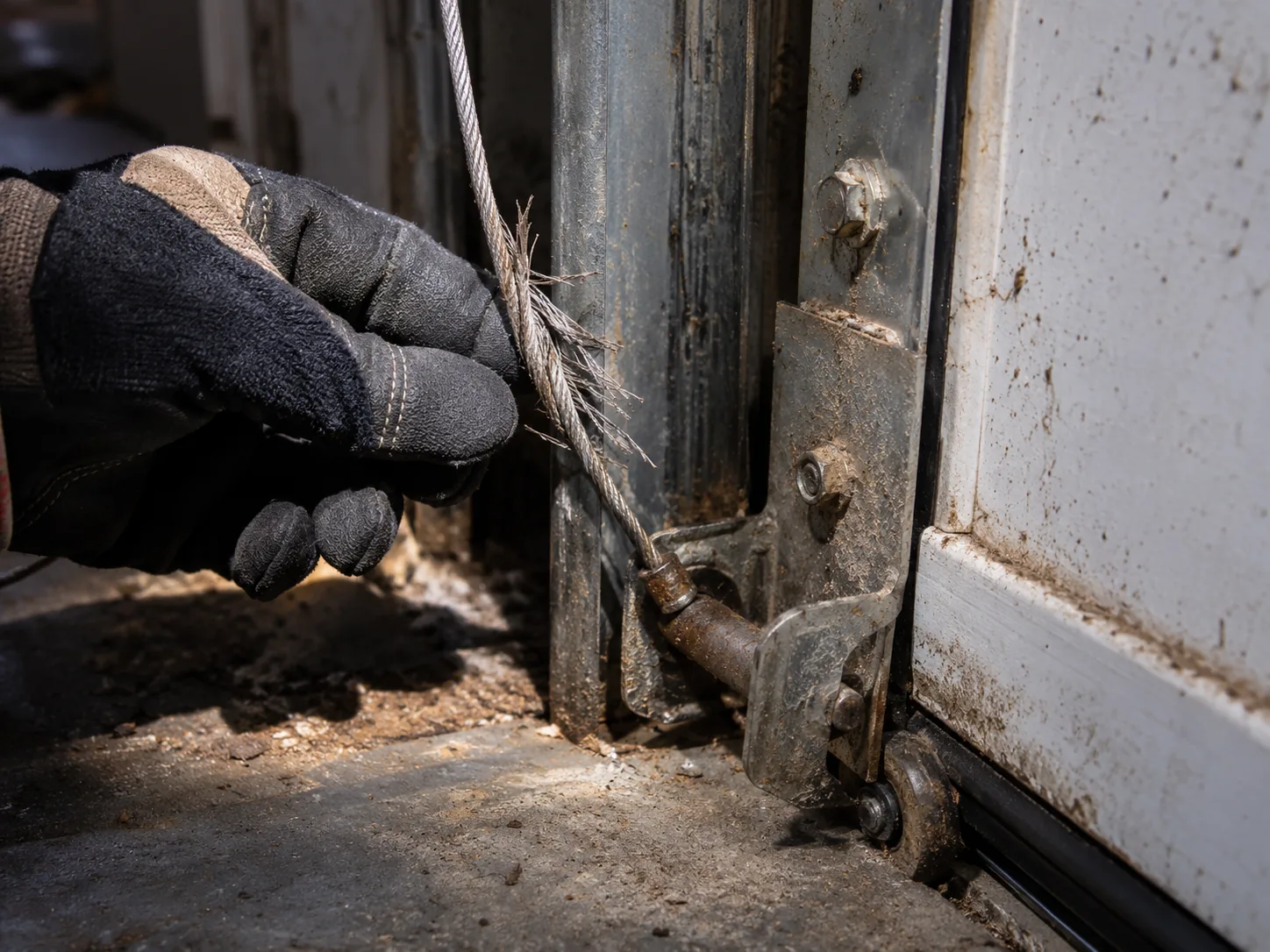
Rollers and cables show wear differently. Nylon rollers from that build era dry out and crack in the heat rather than wearing down smoothly, so you'll hear a clicking or popping sound on the way up rather than a smooth roll. Cables fray at the drum end first, which is the part nobody looks at until the door won't come down evenly on both sides.

DIY or pro

The DIY Question

Tightening a loose hinge bolt or replacing a worn weatherstrip is fine to do yourself. A torsion spring is not - the tension stored in a fully wound spring from a door this size can break a wrist or worse, and we won't talk anyone through doing that job over the phone.

Obsolete Opener Unit Parts

Here's the honest limit on our end: on some of the older opener units still running in 1990s-built houses, replacement parts aren't stocked anymore. When that happens, we tell you straight that we're not going to keep patching a board that's discontinued - a new opener costs less over time than three service calls chasing intermittent failures on a unit nobody makes parts for.

1990s First-Time Spring Failure

If your door is original to a house built in the early 1990s and it's the springs failing for the first time, that's usually a straightforward repair, not a sign the whole door needs replacing. We'll tell you which one it is when we look at it, not before.

The repair

What the Fix Involves

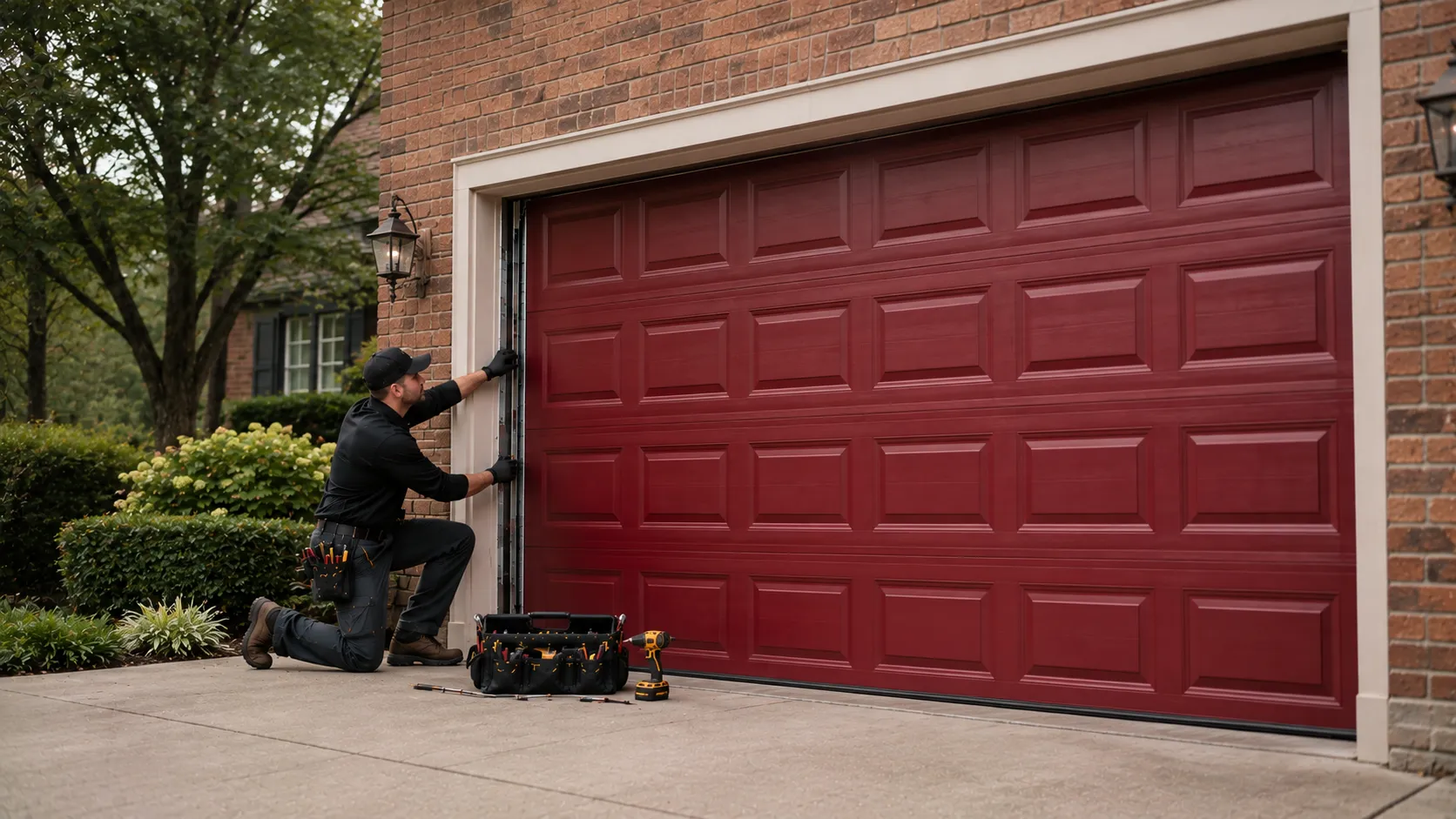
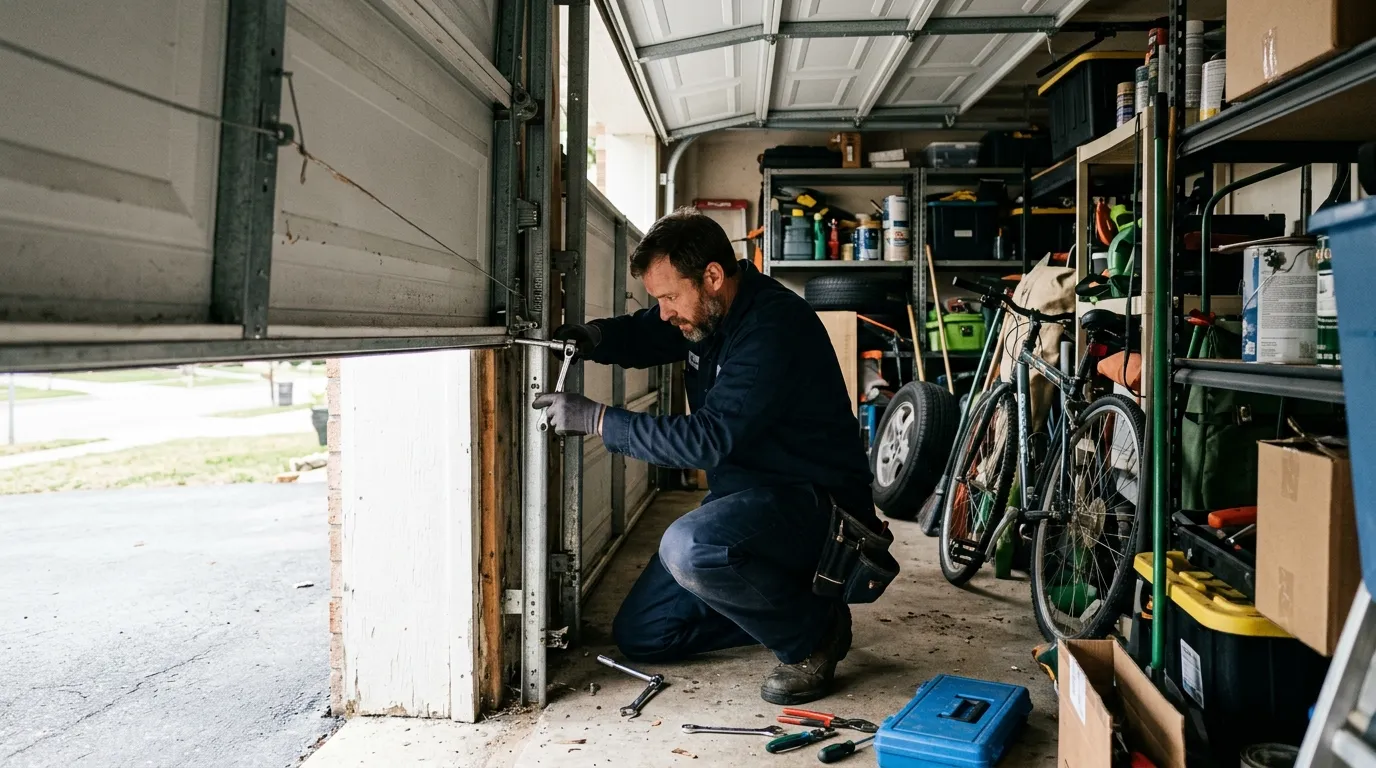
For a spring replacement, the tech pulls the old torsion spring, matches the new one to your door's weight and drum size - critical on original 1990s doors where the spring may have been resized once already by a previous repair - and sets tension by hand before testing the balance at several points along the track.

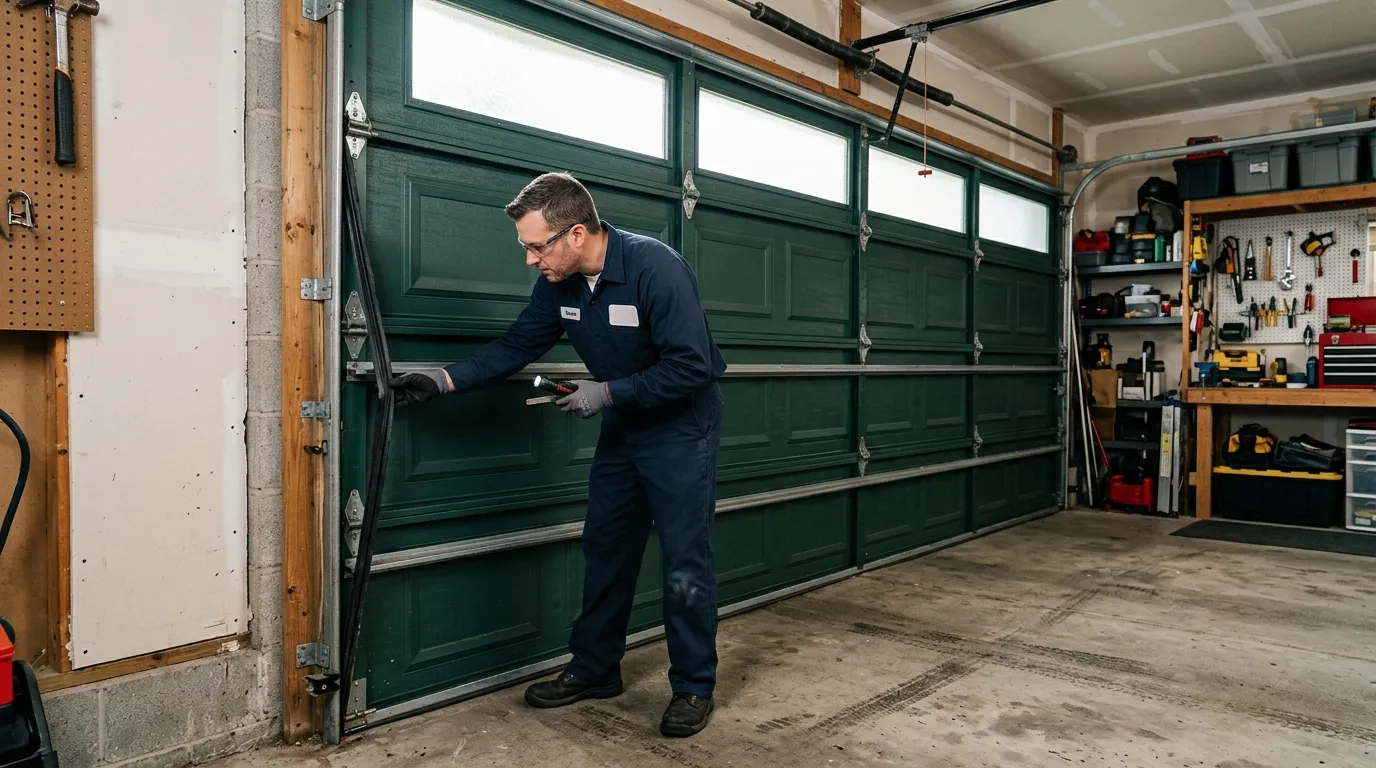
For an opener swap on a house with the original unit, the job includes checking whether the existing wall switch and sensor wiring are worth reusing or need replacing outright, since 30-year-old wiring sometimes has more resistance than a new board expects.

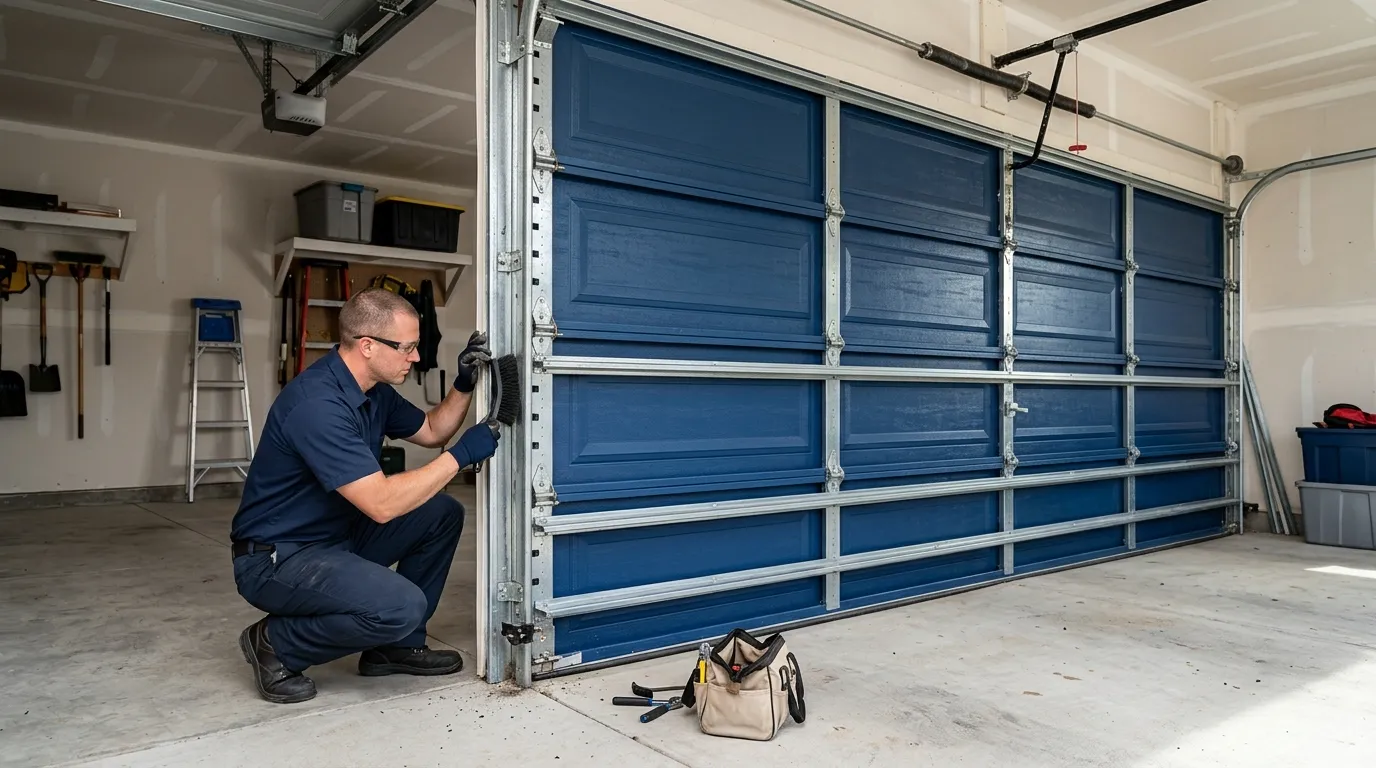
Roller and cable work is more straightforward: swap worn nylon rollers for steel ones where the track allows it, and replace cables in pairs, not one at a time, so both sides wear evenly going forward. None of this requires touching the door panels themselves unless the heat has warped a section, which we check but don't assume.

What the Fix Involves

Questions

Common questions

Why doesn't Gilbert Garage Door Co have a location in Apache Junction?

We run one shop, in Gilbert, and drive to Apache Junction and the rest of the service area from there. It's 13 miles each way, which we factor into scheduling rather than promising a response time we can't back up from that distance.

Is my garage door old enough that parts are hard to find?

If your house was built in the median window here, around 1993, springs and standard hardware are still widely available. Some original opener boards from that era are discontinued, though - if yours is one of them, we'll tell you rather than keep ordering parts that don't exist.

Should I repair or replace a door on a house at Apache Junction's income level?

At the area's median household income of $58,619, most homeowners are better served fixing a spring or opener issue rather than replacing the whole door, unless the panels themselves are damaged. We quote both options and let you decide, not the other way around.

Does the desert heat really affect garage door springs?

Yes. Severe summer heat cycles steel springs harder than a mild climate would, and on a door already in its third decade, that shows up as premature spring failure well before the manufacturer's rated cycle count.

Ready when you are

Need a garage door sorted in Gilbert?

Gilbert Garage Door Co repairs and installs garage doors, springs and openers in Gilbert, AZ and the surrounding area.

Call NowGet a quote