
Parts ordering lead time
Where this area adds time is upstream of the install: doors sized or styled outside our standard stock have a lead time before they even arrive, and we won't pretend otherwise.
Apache Junction, Gilbert
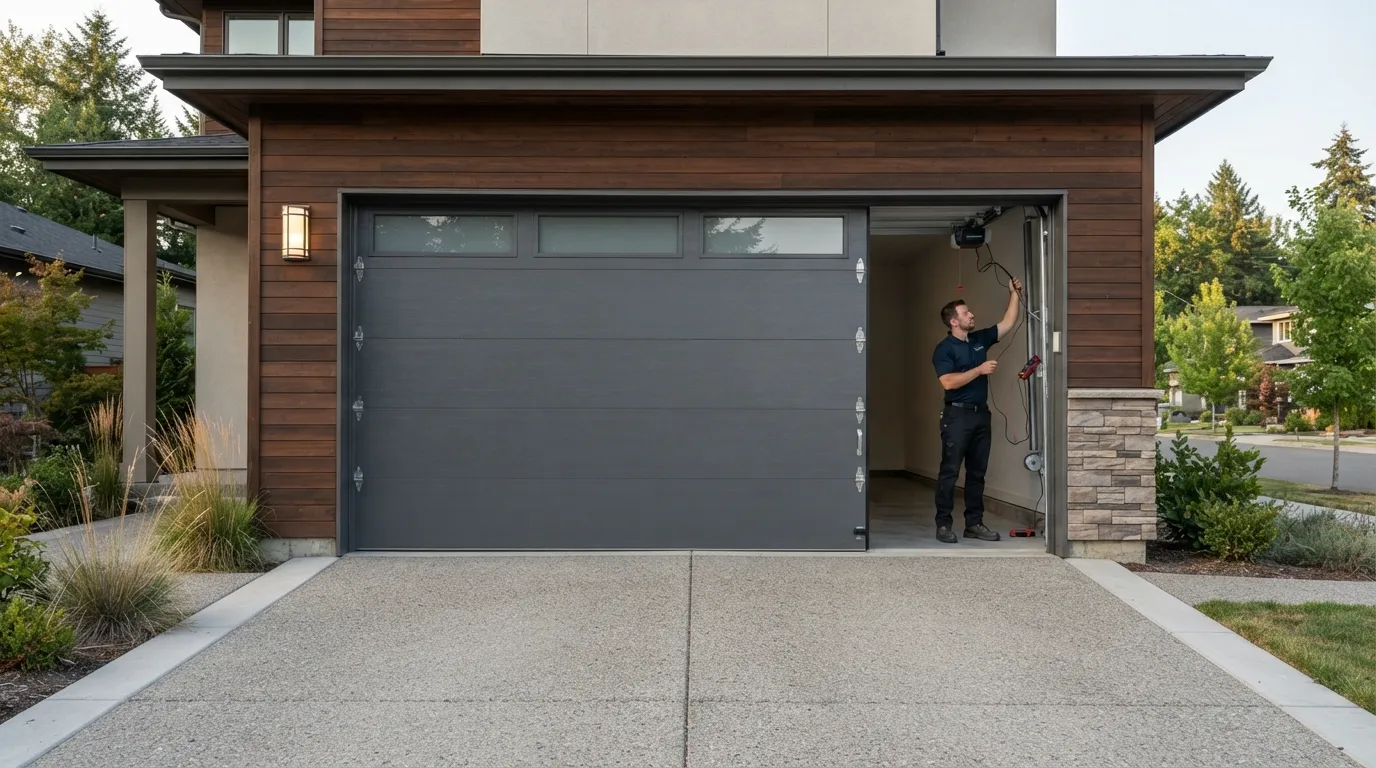
Gilbert Garage Door Co installs new garage doors in Apache Junction, AZ, where most homes date to 1993 and summers hit the region's severe-heat band.
Booking
We run this job out of Gilbert, 13 miles from Apache Junction, so there's no local branch or drop-in showroom here - every install starts with a call and a measurement visit we schedule around your day, not a walk-in counter.
That distance doesn't change the work, but it does mean we plan the trip: one visit to measure the opening and check headroom, one to install, unless you'd rather we do both in a single longer appointment.
If your door is still limping along rather than dead, it's worth starting with our repair page for Apache Junction before you commit to a full replacement - a stuck roller or a bent track isn't always a reason to tear the whole unit out.
If you're comparing what a full install looks like back in Gilbert itself, that's covered separately on our Gilbert installation page. Here, we size the quote to this neighborhood's housing stock and its climate load, not a generic citywide number.
Local causes
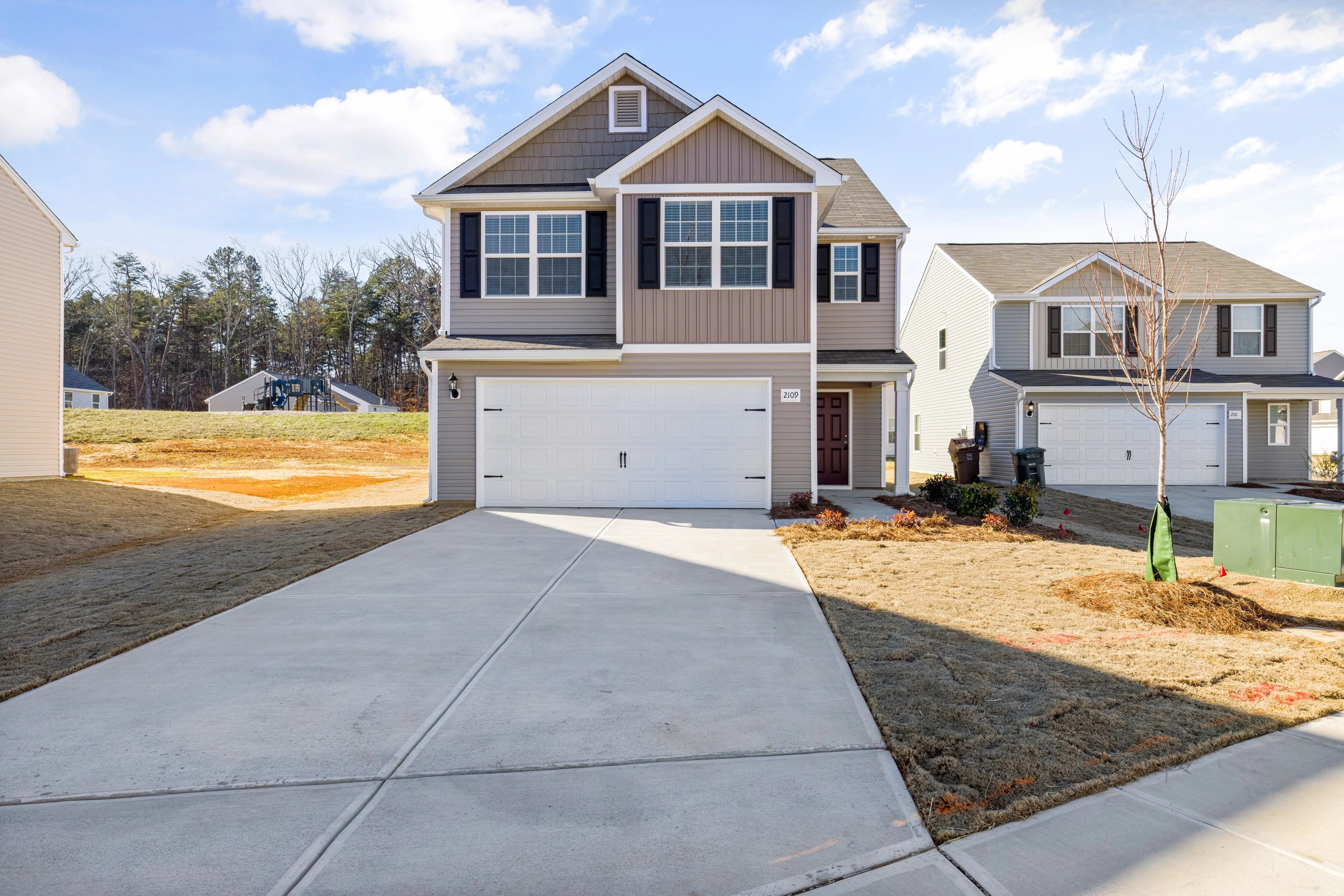
Most houses in this stretch of Apache Junction went up in a tight band centered on 1993, not the broader 1980s-to-90s spread you see across the wider Gilbert service area. That narrow build window matters because it means a huge share of doors, springs, and openers in this pocket are the same age and were speced to the same lighter-duty standards of that era - thinner steel skins, less insulation, torsion springs sized for a door that weighed less than what you'd install today. Layer on the severe-heat band this area sits in, and those original panels have spent three decades expanding and contracting in summer slab heat that original 1990s hardware wasn't built to absorb indefinitely. The result isn't one big failure - it's a cluster of the same failure, at the same age, house after house on the same streets. A new install here isn't just a new door; it's an opportunity to size the spring and track hardware for actual current summer loads instead of what a 1993 spec sheet assumed.
Timing
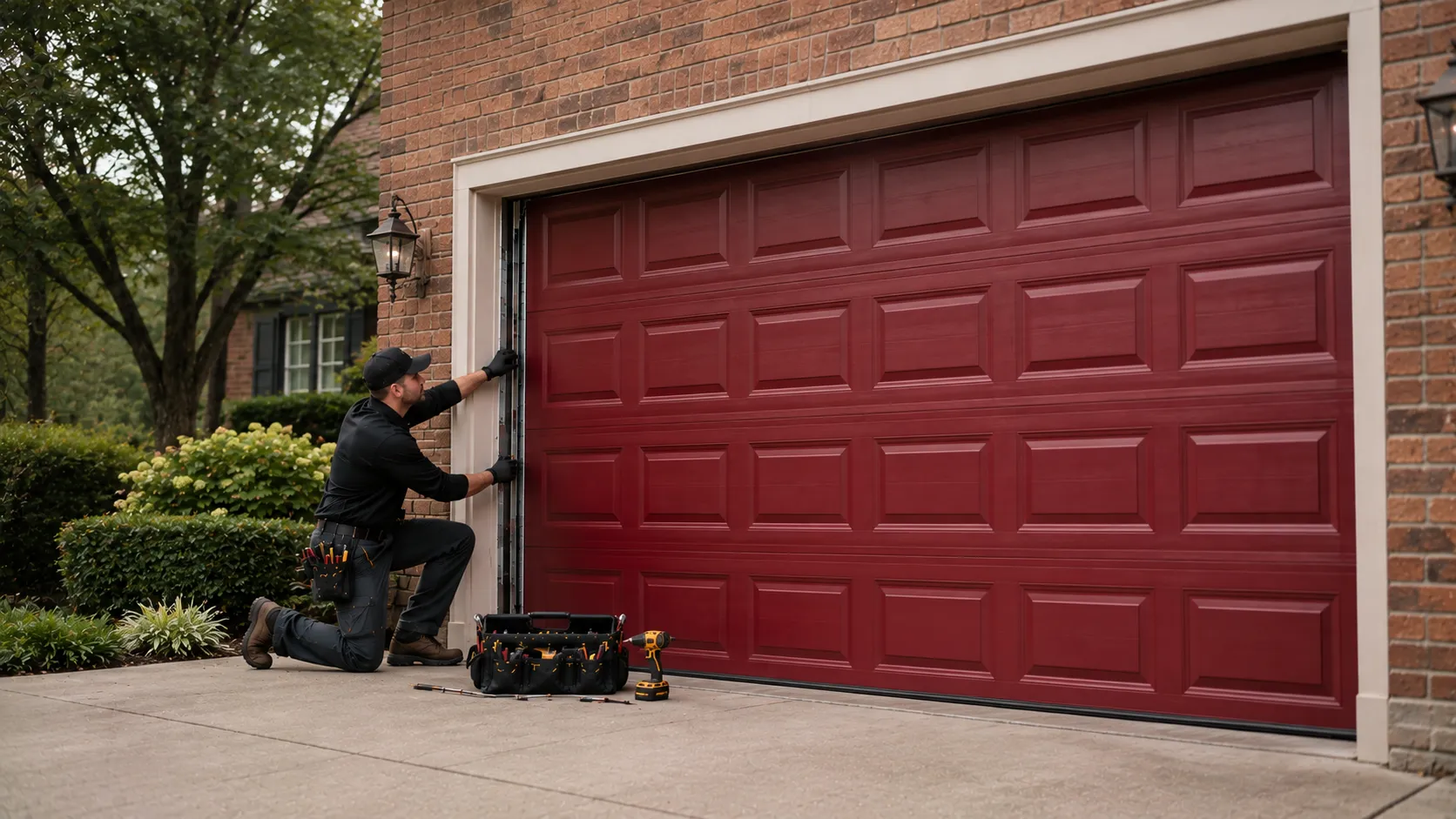
A straight swap - same opening, same door style, no structural surprises - usually runs a single day once the door is on the truck.
Where this area adds time is upstream of the install: doors sized or styled outside our standard stock have a lead time before they even arrive, and we won't pretend otherwise.
If you need something wider than a standard double, or an insulation package built for the heat here rather than a base model, expect us to quote you a real order date rather than a guess. We'd rather tell you three weeks up front than promise tomorrow and miss it.
Once the door is on site, removal of the old one, frame check, new track and spring set, opener mount or reuse, and balance testing typically fill a single working day. Two-day jobs happen when the opening needs framing work the original 1993 construction didn't anticipate, which does turn up occasionally in this build era.
Warning signs
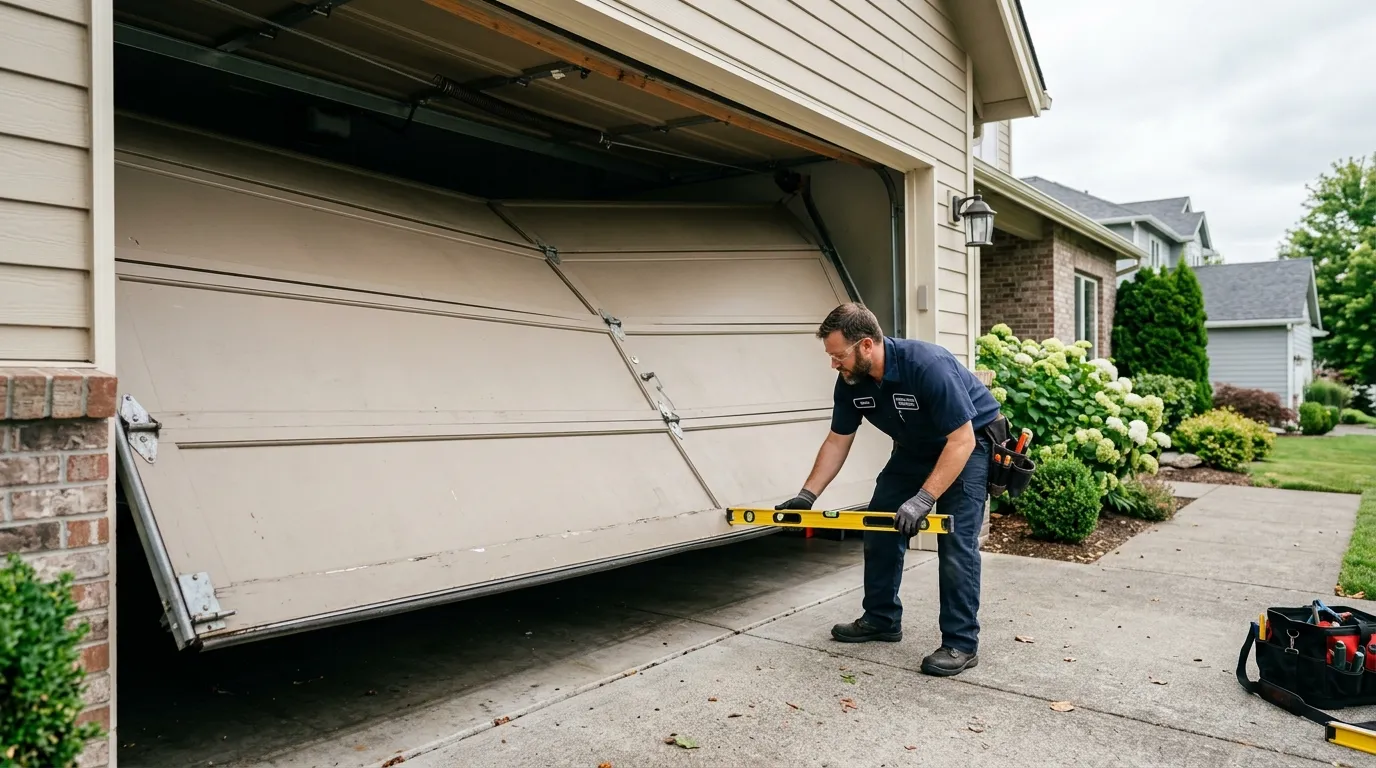
On a house from this build window, the tell isn't usually a door that won't open - it's a door that opens unevenly, drags on one side, or slams the last six inches instead of settling.
That's original-era torsion spring fatigue, worsened by three decades of heat cycling on hardware sized for a lighter panel. You'll also see foam-core panels that have started to bow or delaminate at the seams; that core material wasn't built to survive this area's summer slab temperatures for 30 years, and it shows as a visibly warped face panel long before the door mechanically fails.
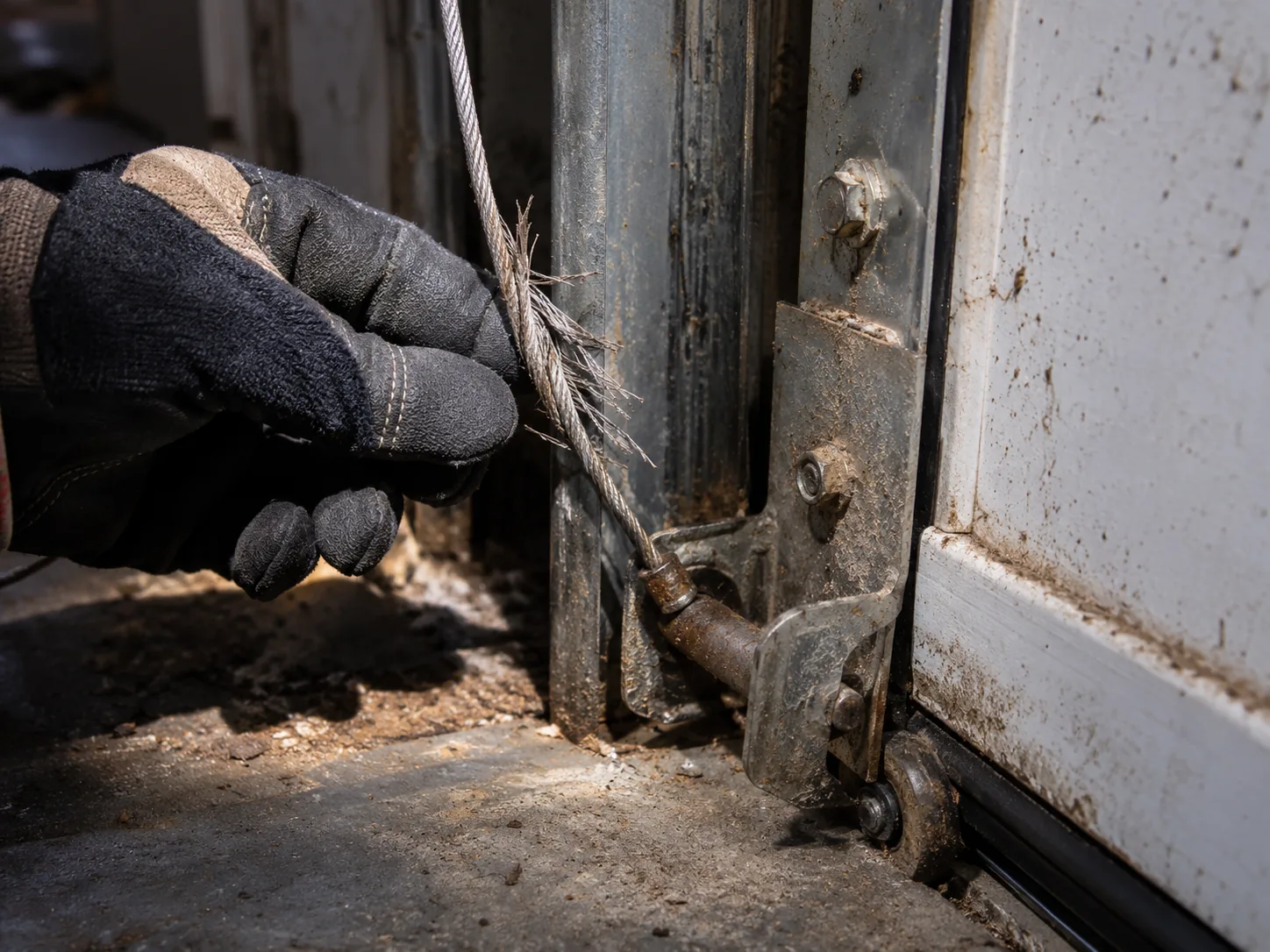
Rollers on the original track hardware wear out of round from the same heat expansion, so you get grinding or a door that jumps the track slightly on one side.
None of these are emergencies the day they start. They're signs the whole system - door, spring, roller, track - has been running on borrowed time since roughly the same year every other door on the block was installed.
DIY or pro
Swapping a full garage door is not the same job as replacing a broken spring or a bent panel - the honest answer is that most homeowners shouldn't do the full install themselves.
A torsion spring under tension can put someone in the hospital, and getting the track plumb and the opener travel limits right on a new door takes more than a level and an afternoon. Where DIY does make sense: weatherstripping, a new keypad, or swapping a remote.
Where it doesn't: anything involving the spring system, the header framing, or resetting a heavy insulated door's balance point. We won't talk anyone out of a small repair they can safely do themselves - that's not the business we're in.
But a full install on hardware from this era usually means dealing with springs and framing that have already outlived their factory spec, and that's not a first attempt for most people.
The repair
A proper install here starts with pulling the old door and inspecting the jambs and header, because framing from this build window sometimes needs shimming before a new door will sit square. We size the torsion spring to the actual door weight going in, not the lighter weight the original 1993 hardware assumed - that's the single biggest upgrade most homes in this area get out of a replacement. New nylon rollers and galvanized track go in as a set rather than mixed with the old hardware, since mismatched wear rates are what caused the drag and grinding in the first place. On the door itself, we talk through panel insulation ratings given the severe-heat exposure this area sees - a heavier foam core costs more up front but holds its shape longer under repeated summer heat than the thinner original-era panels did. Opener reuse depends on age and condition; if it's original to the house, we'll say so plainly rather than bolt a new door onto a worn-out motor and call it done.
Questions
Because most homes on this side of Apache Junction were built in the same narrow window around 1993, the doors, springs, and rollers installed at construction are all the same age. When one fails from heat-cycle fatigue, the identical unit next door is usually right behind it on the same failure curve.
No. We run every job here from Gilbert, about 13 miles out. That doesn't affect the install itself, but it does mean scheduling is by appointment rather than a walk-in counter, and any special-order door goes through the same lead time regardless of which side of the service area it's headed to.
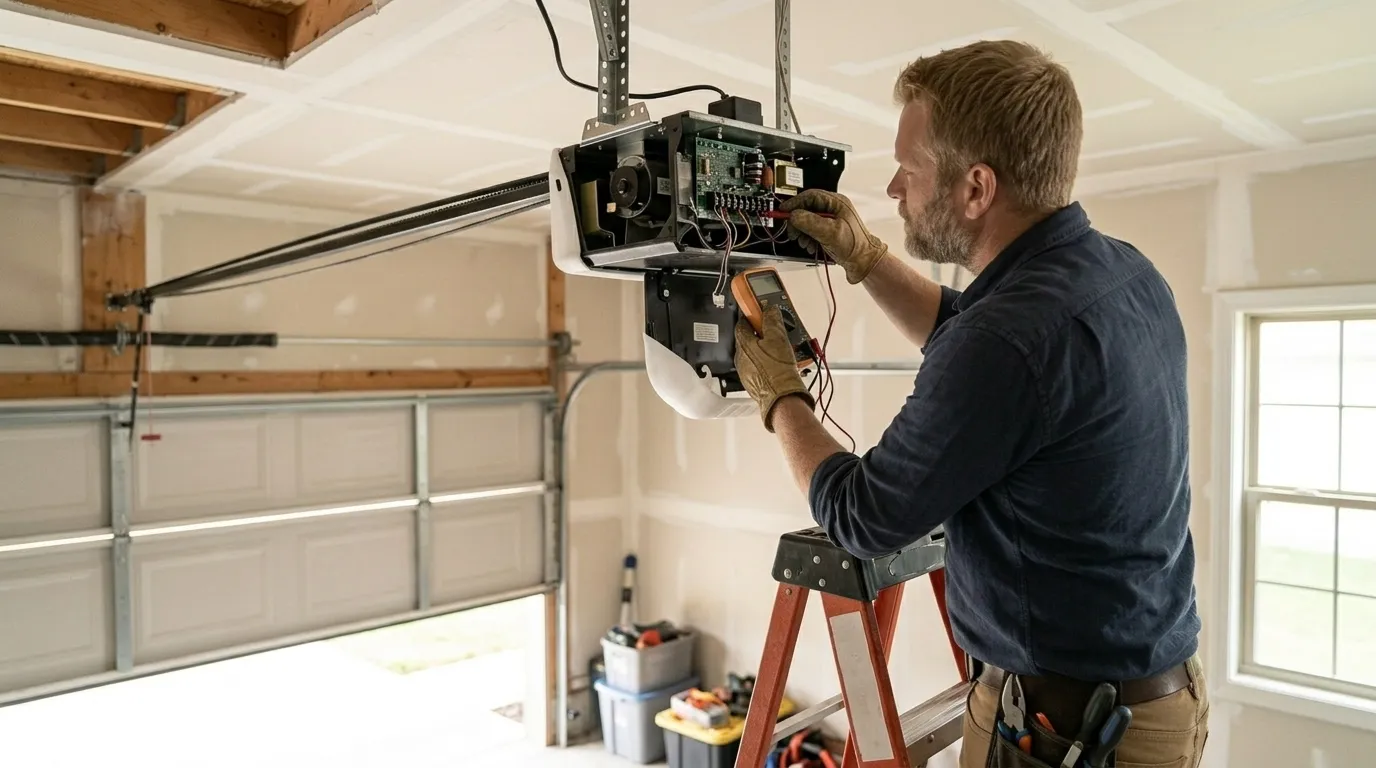
Sometimes. If the motor is original to the house and has run three decades of severe-heat summers, we'll tell you honestly if it's near the end rather than mounting a new door on tired hardware. If it's been replaced more recently, reuse is usually fine and saves you the cost.
This area sits in a severe-heat band, so a heavier foam core panel holds its shape and seal longer than a thinner original-era door. It costs more up front, but for a door facing full summer sun here, the lighter-rated option tends to warp and need replacing sooner.
Explore more
Ready when you are
Gilbert Garage Door Co repairs and installs garage doors, springs and openers in Gilbert, AZ and the surrounding area.