
Fast-Finish Spring Tension Drift
The second sign is a door that starts fast and finishes slow, or the reverse, which points to spring tension that's drifted off balance as the coil has aged.
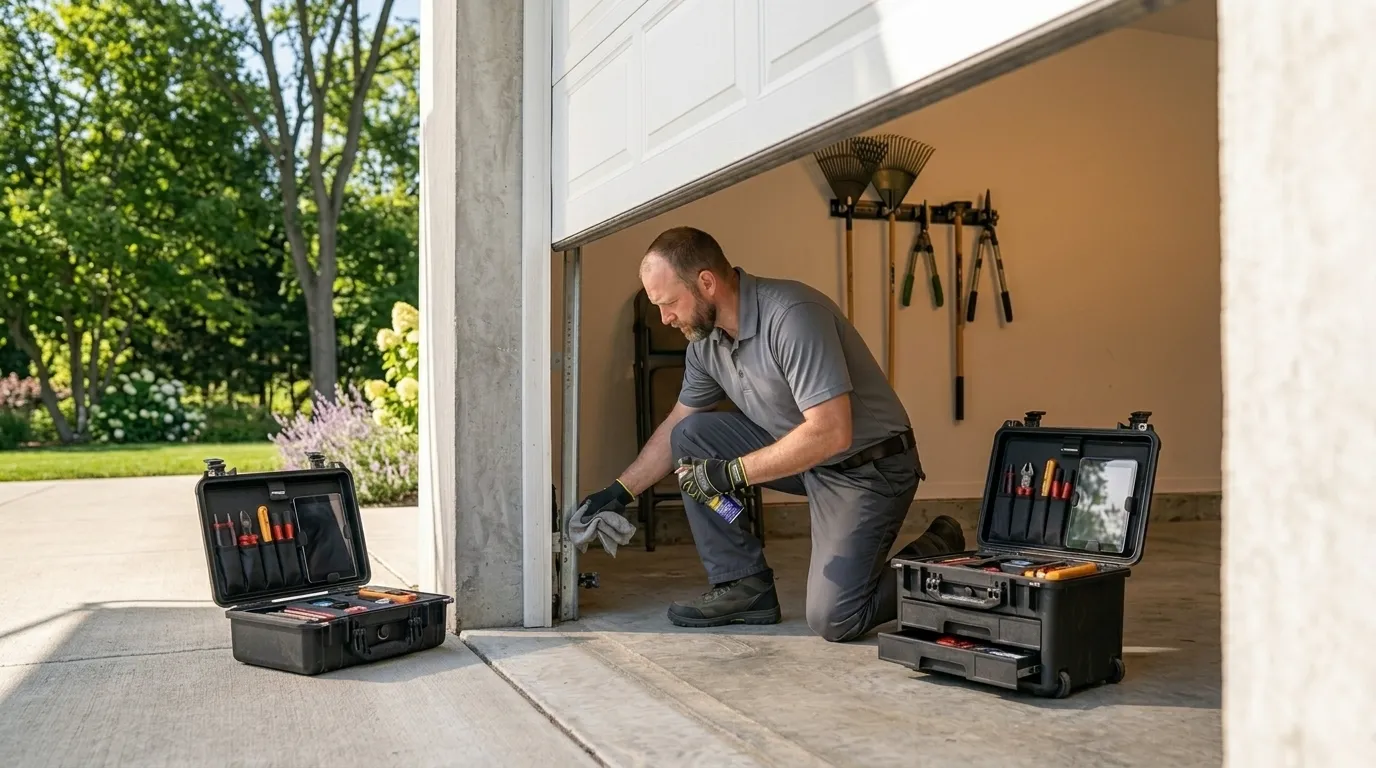
Sacaton, Gilbert
Sacaton homes mostly date to the early-to-mid 1990s. That build era decides which hardware fails first, and it decides what a maintenance visit here should check.
Local causes
Sacaton's homes mostly went up between 1990 and 2002, with a median build year of 1993. That matters more than it sounds like it should. A door installed in the early '90s is old enough that its original torsion spring is past any reasonable service life, but new enough that it isn't the antique extension-spring setup you'd find in a much older neighborhood. What you're actually dealing with is steel torsion hardware and an opener from the first generation of rolling-code chain and belt drives - the kind that still works, right up until the day it doesn't. Heat is the other half of the story. This service area sits in a severe-heat climate band, and steel expands, lubricant breaks down, and nylon rollers go brittle faster here than in a milder climate. Put a 30-year-old spring on a door that sees that kind of heat cycle every summer and you've got a fault waiting on a schedule, not a surprise.
The repair
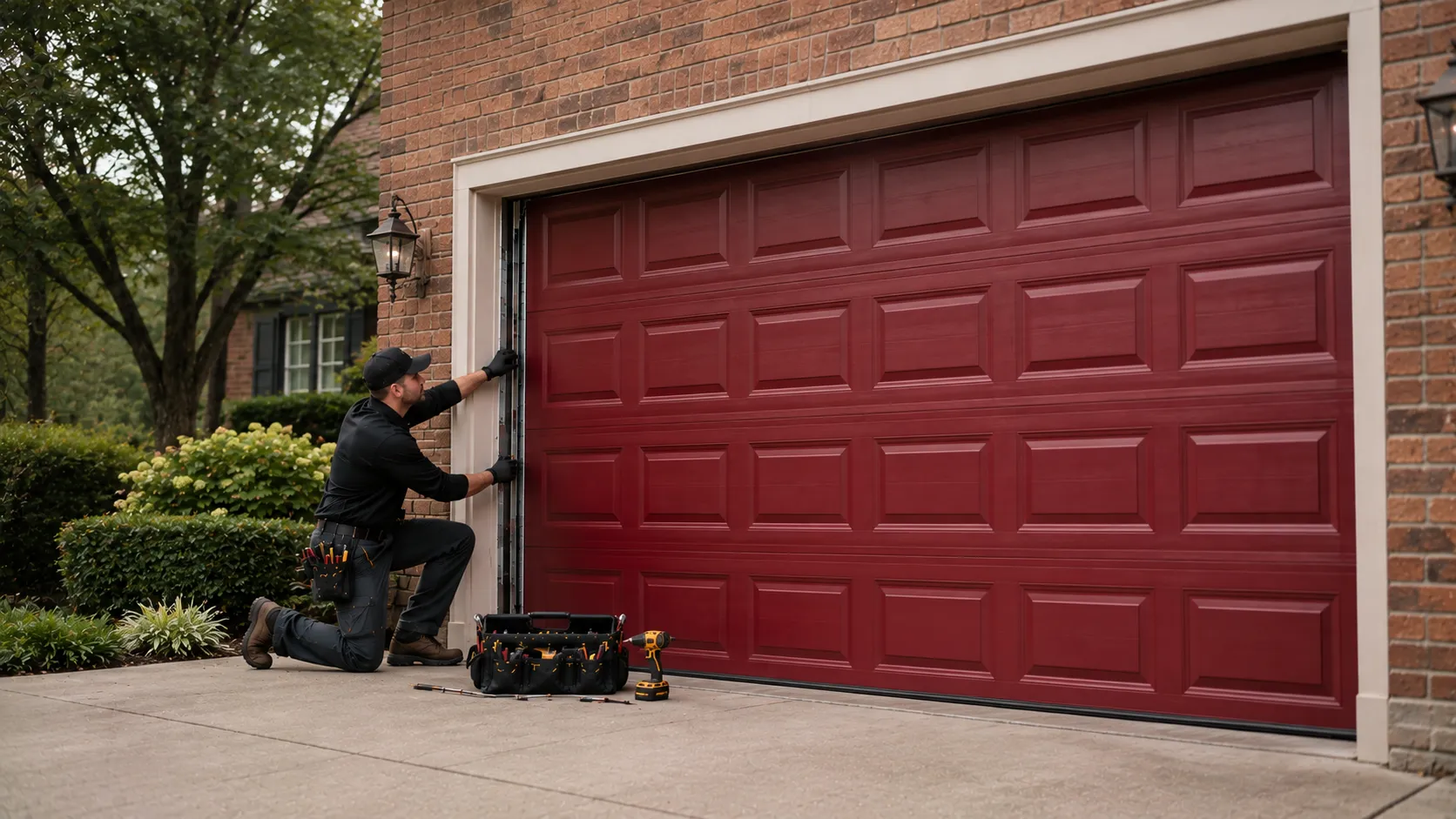
A maintenance visit on a door from this era starts with the spring - checking wind tension, looking for rust pitting on the coils, and confirming the cable drums are seated right, since that's the failure point on doors this age more often than the opener itself.
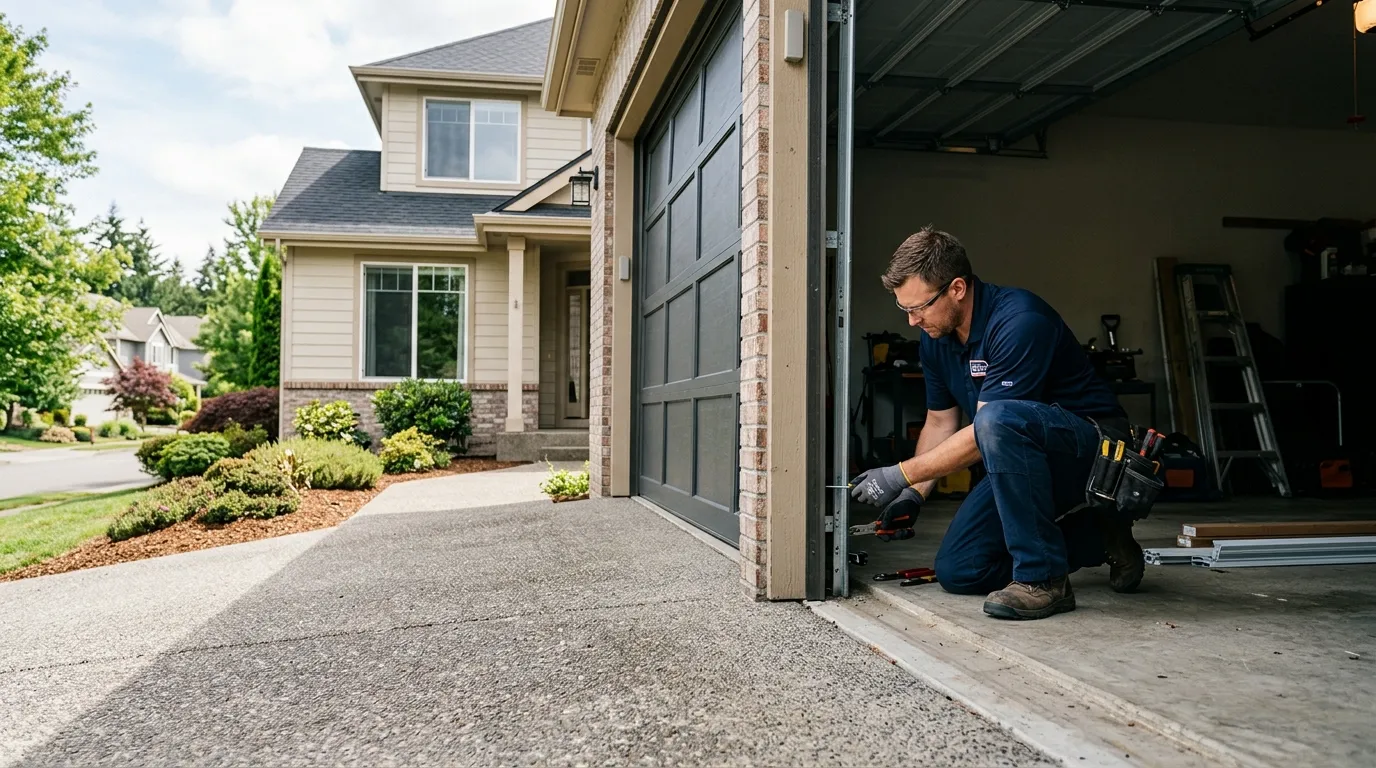
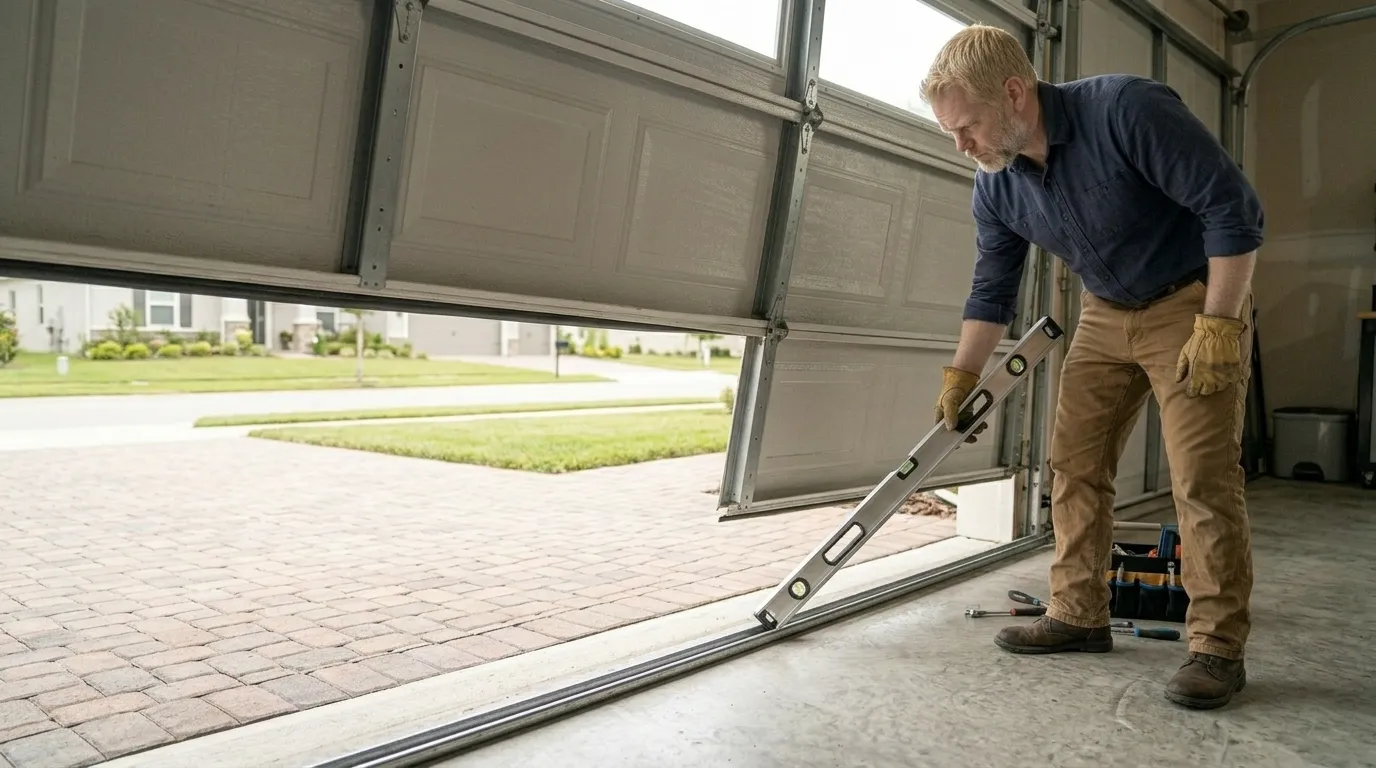
We check the track alignment and roller condition next; original steel rollers from a 1990s install are usually due for a swap to nylon by now, and it's a cheap fix compared to what a seized roller does to a track over time.
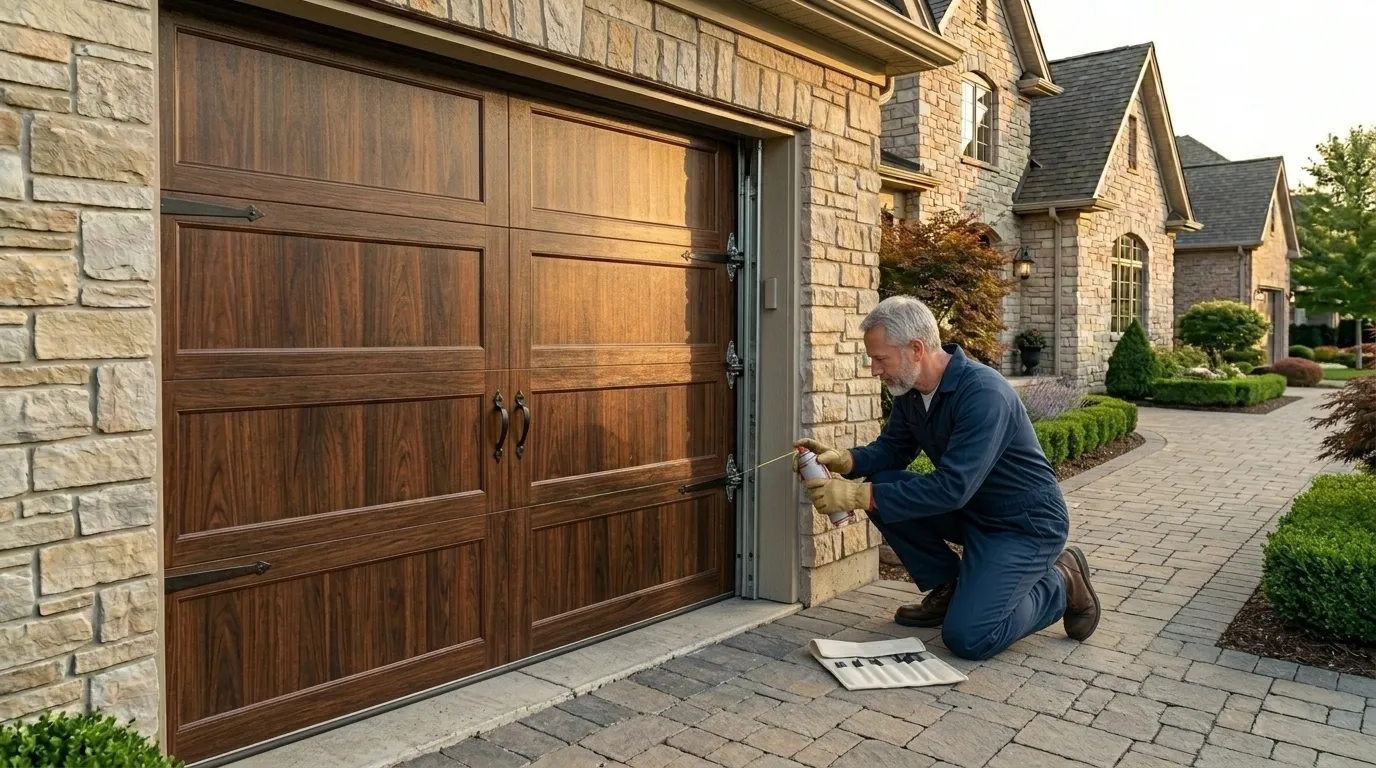
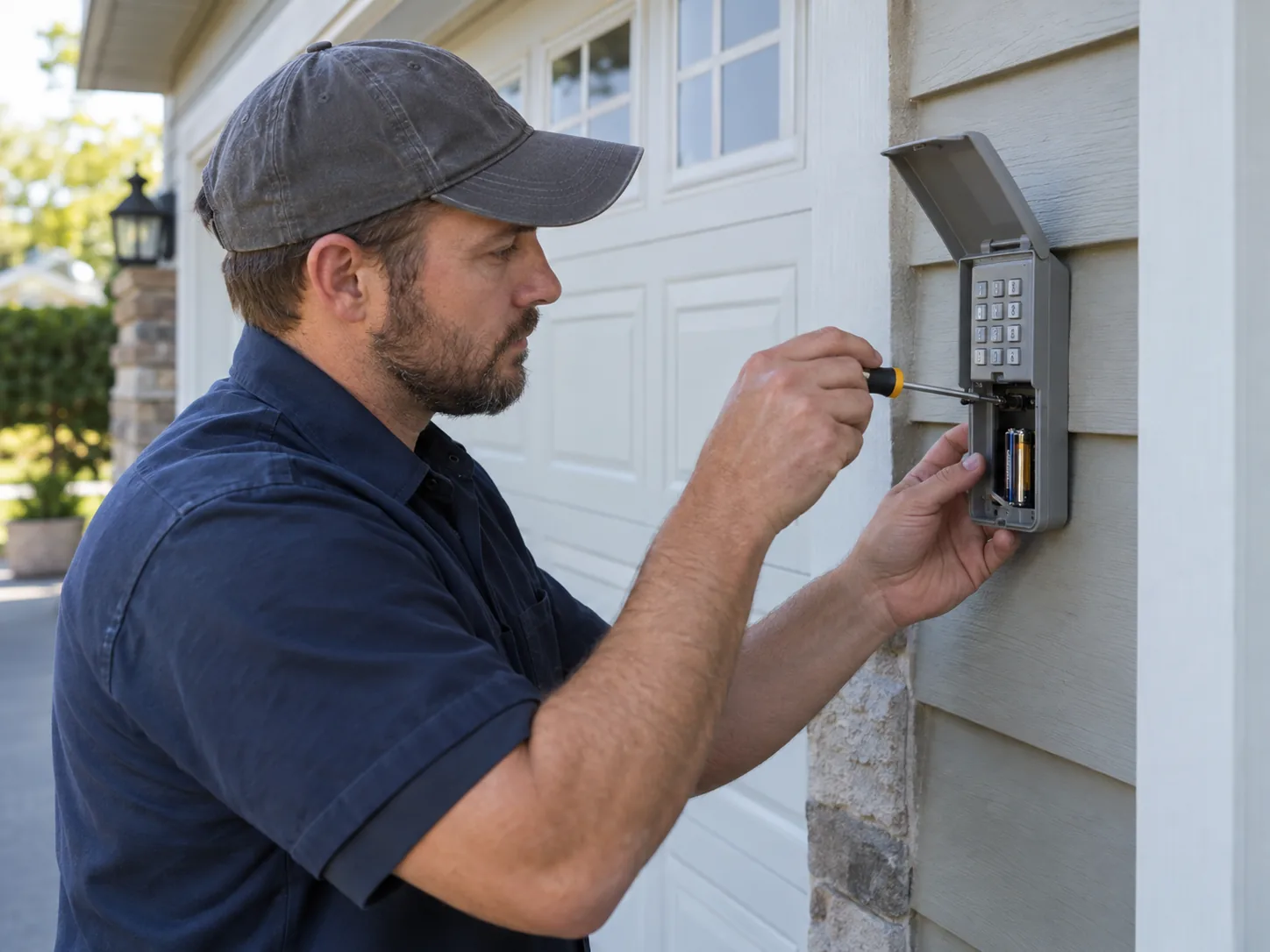
We lubricate hinges and hardware, tighten loose bolts on the panels, and test the opener's force settings and safety reversal, since those settings drift over years of heat exposure.
We don't replace what doesn't need replacing - a maintenance visit is not an upsell exercise, and if a part still has life in it, we say so.

Booking
We run out of Gilbert, and Sacaton is a 16-mile trip from there, which is farther than most of the towns we service. That doesn't change the work, but it does mean we plan the visit rather than squeeze it into a same-day gap between closer calls. If you're booking maintenance, it's worth pairing it with anything else on the door that's been nagging at you, since we're already making the drive. For repair work specifically, our page on Sacaton garage door repair covers what that looks like separately from a routine check.
Warning signs
On a door from this build era, the first sign is usually noise - a grinding or popping when the door travels, which is often a roller that's worn past its nylon coating down to bare metal on the axle.
The second sign is a door that starts fast and finishes slow, or the reverse, which points to spring tension that's drifted off balance as the coil has aged.
Sacaton has roughly 706 households, and across that stock we'd expect the majority to be sitting on original or first-replacement hardware by now, meaning most doors in town are due for exactly this kind of check whether or not anything's making noise yet. A door that still opens fine can still be six months from a spring letting go - the noise just hasn't started.

Timing
A standard maintenance visit on a single door runs under an hour once we're on site - spring check, roller and hinge lube, track alignment, opener force and reversal test. A two-car door with two openers takes longer, closer to ninety minutes. Because Sacaton is a longer drive from Gilbert, the visit itself doesn't take more time, but scheduling around it does mean we're less likely to be able to slot in a same-week callback if something else on the door needs a part we don't carry on the truck. Anything that needs an ordered part becomes a second trip.
DIY or pro
Lubricating hinges and testing the opener's auto-reverse with a piece of scrap wood on the ground are both fine to do yourself, and worth doing between visits. What you shouldn't touch is the torsion spring itself - on a door this age, the coil is likely under more stress than it was designed for, and a spring that lets go under tension can break a wrist or worse. We'd rather you call for that one call than save the fee and end up needing us for an ER trip too. If your door is still on its original 1990s-era spring and you've never had it serviced, that's the one thing on this list not to gamble on.

Questions
Once a year is the general rule, but given the severe summer heat here and the age of most doors in town, we'd lean toward checking twice a year if the door sees daily use. Heat cycling wears springs and lubricant faster than a mild climate would.
Not necessarily. A torsion spring's rated life is usually measured in cycles, not years, and a door installed around 1993 has likely gone through tens of thousands of open-close cycles by now. If it's never been replaced, it's past due for at least an inspection.
Common items like rollers, hinges, and standard-size springs, yes. Anything unusual - a discontinued opener part or a nonstandard track size - usually means ordering it and coming back, since Sacaton is far enough from Gilbert that we plan trips rather than make return runs the same day.
Explore more

Ready when you are
Gilbert Garage Door Co repairs and installs garage doors, springs and openers in Gilbert, AZ and the surrounding area.