
Apache Junction, Gilbert AZ
Garage Door Repair for Apache Junction Homes Built in the 1990s
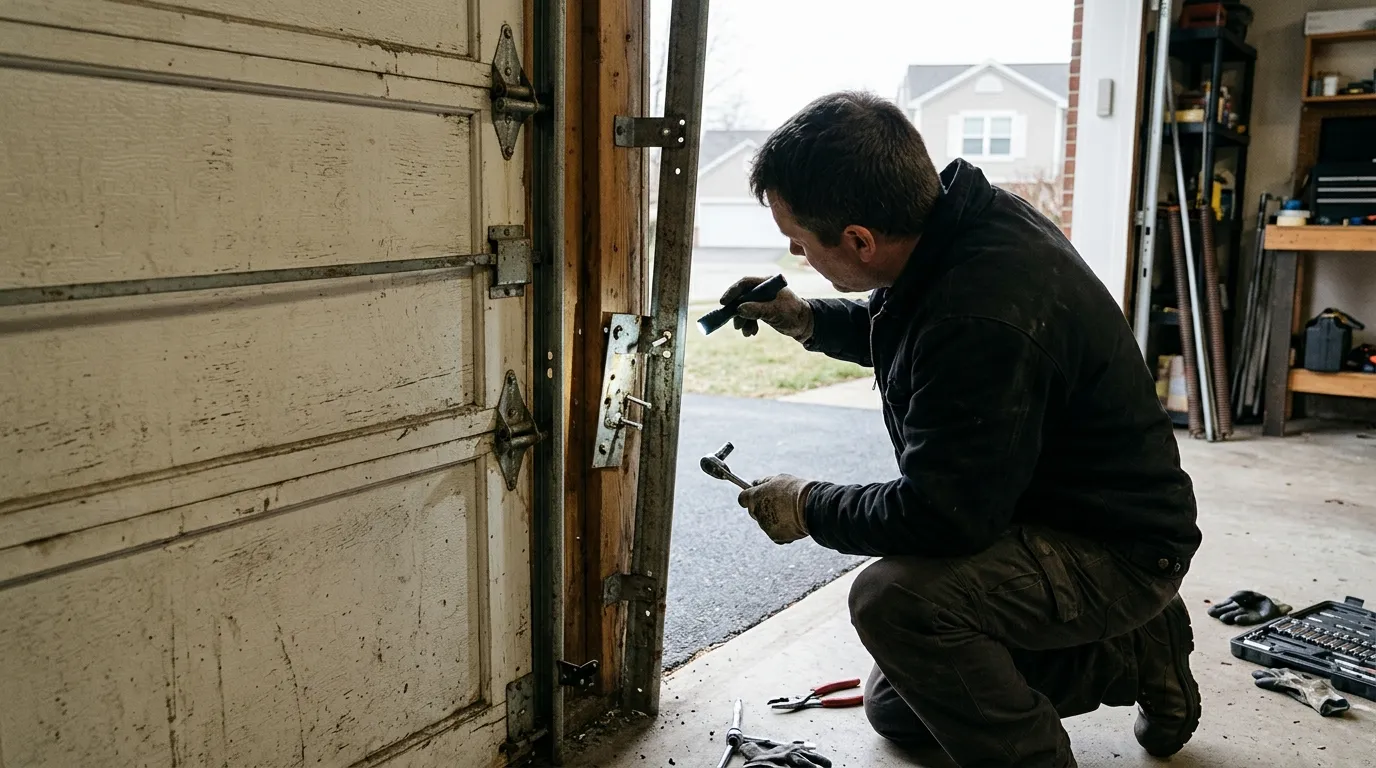
Gilbert Garage Door Co drives 13 miles to Apache Junction for repairs on the 1990s-era torsion doors common here, plus new door and opener installs today.
Local detail
What That Means for Doors
Most houses out this way went up between 1990 and 2002, with the median landing right at 1993. That's a specific window for garage doors: steel sectional panels on torsion springs became standard by then, replacing the older extension-spring setups you'd find on anything built before the late '80s. Openers from that build era are usually chain or screw drive, first-generation safety-reversal units, and a lot of them are still the original unit bolted to the header. Thirty-plus years on a torsion spring is close to or past its cycle life no matter how well it's been maintained, and original circuit boards in these openers were never built for the run they're getting now.
If your house here still has the door it shipped with, you're not dealing with a modern steel door and a modern spring - you're dealing with 1990s-spec hardware, and the failure points are different from what you'd see on a house built in 2015. Panel gauge is thinner, spring wire is a different diameter than current stock, and some of the drums and end bearing plates on original torsion setups aren't a match for parts sold off the shelf today. That's the honest starting point for any repair call out here.
The area
This Area's Housing
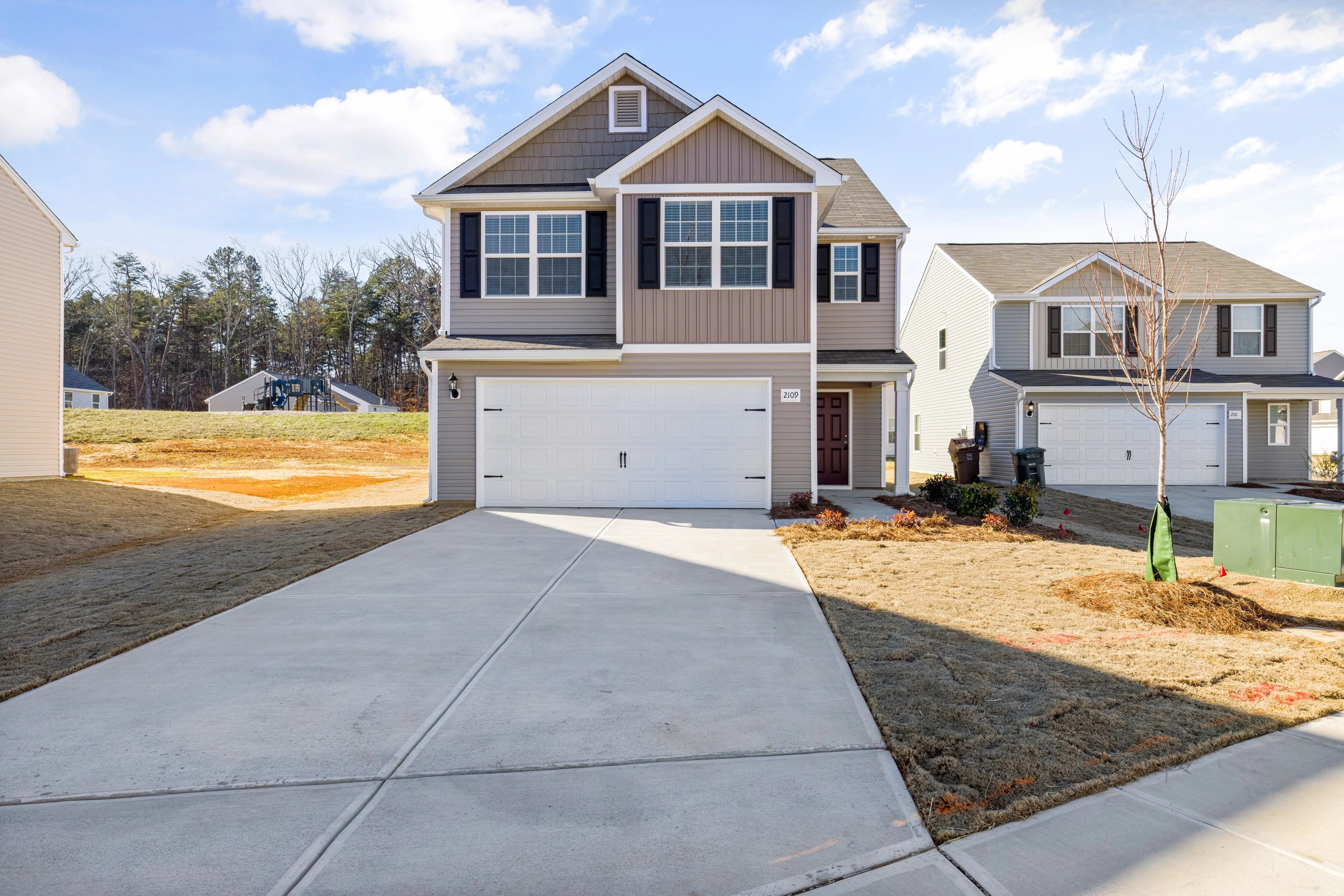
Apache Junction runs about 17,953 households, a smaller slice than the roughly 33,459 households across the wider service area we cover out of Gilbert. Median household income here sits at $58,619, below the $63,545 median for that broader area - not a huge gap, but enough that we don't quote this area the same as we'd quote a newer subdivision closer to Gilbert. The service area overall counts about 20,703 owner-occupied houses, and a good share of that stock, including a lot of what's here, dates to the 1980s and '90s rather than anything more recent.
That combination - older owner-occupied homes, incomes a step below the regional median - tends to mean doors and openers get run longer before anyone replaces them, which is part of why torsion spring failure and worn rollers show up so often on calls from this side of the service area. We're thirteen miles out from the shop in Gilbert, which doesn't change the work, just the trip.
What we find
What We Will Not Take On
We don't promise same-day, walk-in service in Apache Junction. Thirteen miles each way means we schedule the trip rather than treat it like a call we can swing by on five minutes' notice, and we'd rather tell you that up front than have you waiting on a truck that isn't coming fast. We also won't tell you a 1990s torsion spring or an original chain-drive opener from that era is worth patching indefinitely - past a certain point, chasing parts for thirty-year-old hardware costs more than a new door and opener, and we'll say so instead of running up a bill.
If a spring has already let go and taken the bottom bracket or a panel with it, that's a replacement conversation, not a patch job. What we won't do is guess at a fix over the phone without seeing the door - torsion setups from this build era have enough variation in drum size and cable routing that a wrong guess turns into a second trip.
How we work
What People Here Ring About
The heat is the recurring theme. Summers here run in the severe range for the region, and that shows up in specific ways on doors this age: torsion springs that have already done thirty summers of expansion and contraction are the ones that finally let go, usually on the hottest stretch of the year, not the mildest. Opener circuit boards from the 1990s weren't built with today's heat-rated components, and a board that's marginal in spring will die outright once attic and garage temperatures climb.
Nylon rollers original to these doors get brittle and start cracking in the heat cycling, and steel panels on older tracks can bind when the metal expands. We also get calls about openers that work fine in the morning and quit by afternoon - a classic heat-related sensor or logic-board fault on hardware this old. None of that is unique to any one house here; it's what happens when 1990s-era doors meet a stretch of severe summer heat, year after year, for three decades running.
Service areas
Other areas we cover near Apache Junction
Questions
Common questions
How fast can you get to Apache Junction for a broken spring?
We don't offer same-day walk-in service out here - it's thirteen miles from our shop in Gilbert, so we schedule the trip rather than promise an immediate arrival. Call and we'll give you a real window based on the day's route, not a guess.
My garage door opener is original to the house. Is it worth fixing?
Depends on what's wrong. If it's a sensor or a simple part, sometimes yes. But most houses here were built around 1993, so an original opener is over thirty years old, and a board failure on hardware that age usually costs more to chase than to replace.
Why do torsion springs seem to fail more in summer here?
Severe summer heat puts extra stress on spring metal that's already cycled for decades. On a door built in the early 1990s, that spring has been through thirty summers of expansion and contraction, and it tends to finally give out during the hottest stretch of the year rather than the mildest.
Do you carry parts for older torsion-spring doors?
We carry common parts, but some drum and bearing-plate sizes from 1990s-era doors aren't the same as current stock. On a repair call we'll tell you on the spot if it's a standard part or something we need to source before we can finish the job.
Ready when you are
Need a garage door sorted in Gilbert?
Gilbert Garage Door Co repairs and installs garage doors, springs and openers in Gilbert, AZ and the surrounding area.