
Guide
Why a Gilbert Spring Picks the Coldest Morning to Break
Gilbert homes built 1990-2002 have aging torsion springs stressed by severe summer heat. Learn why a cold morning is often just the final straw, not the cause.
Local detail
Leaving It Alone
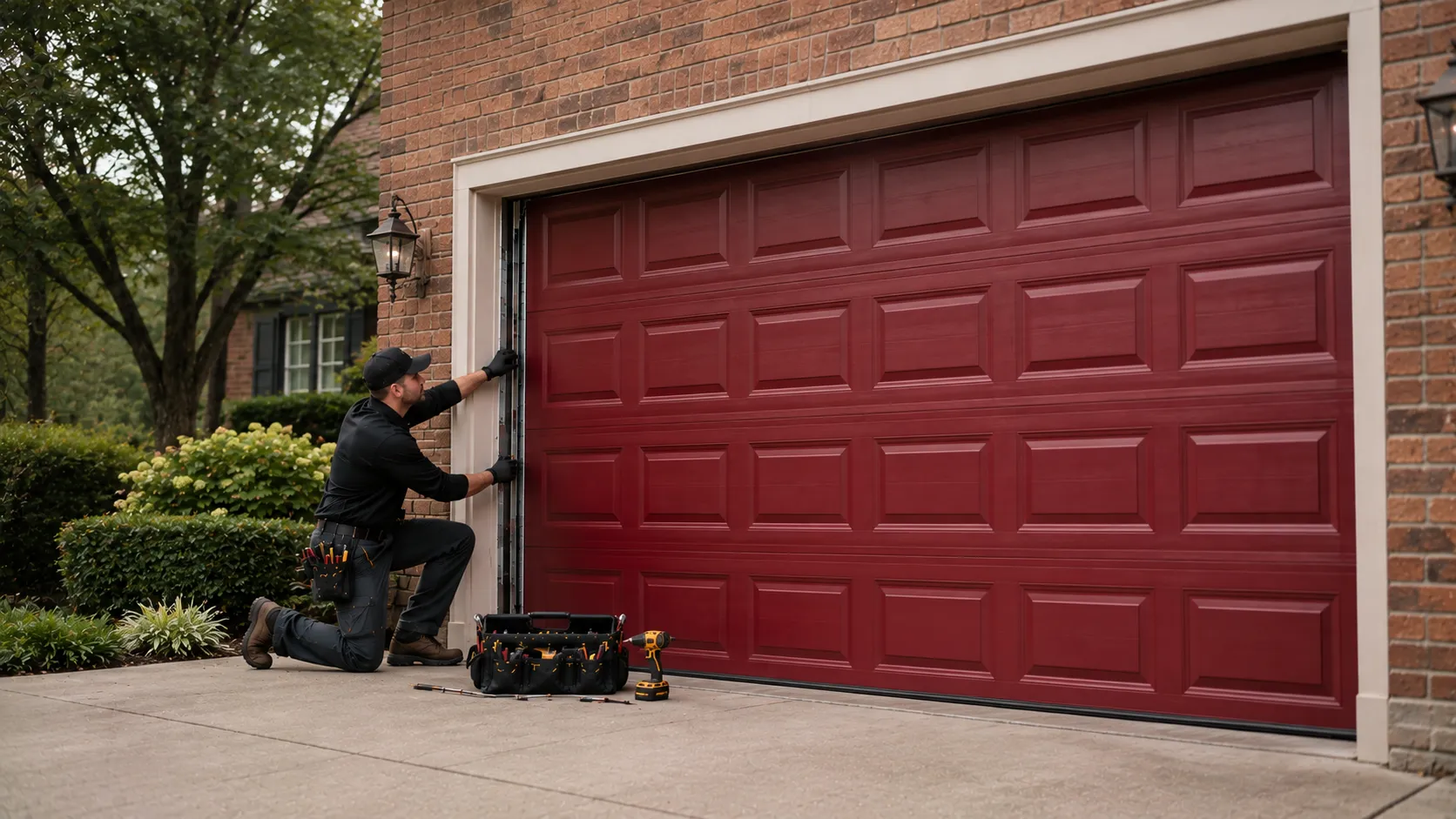
A garage door spring doesn't fail because of one bad morning. It fails because it's been losing strength for years, and the day it finally lets go just happens to be a cold one. Most houses in this service area went up between 1990 and 2002, which means a lot of the torsion springs still on those doors are original equipment pushing 25 to 30-plus years of daily cycling. That's well past the rated life on almost any spring made for residential use.
If you've owned the house since it was built, or bought it from someone who did, there's a decent chance nobody has ever touched that spring. It just keeps working until the morning it doesn't. Leaving it alone isn't a strategy so much as a coin flip you haven't noticed you're making every time the door goes up. The spring gives no warning most of the time - it holds, it holds, and then it doesn't. Waiting for a visible sign like a gap in the coil or a loud bang is waiting for the spring to already be done.
The area
Where People Go Wrong
The common mistake here isn't ignoring the door completely - it's assuming heat is the only stress this hardware deals with. People treat a garage door spring like it's a summer problem because that's the season everyone notices the door working harder. But the failure often shows up on a cold morning, and that throws owners off. They think something new went wrong, when really the spring was already compromised.
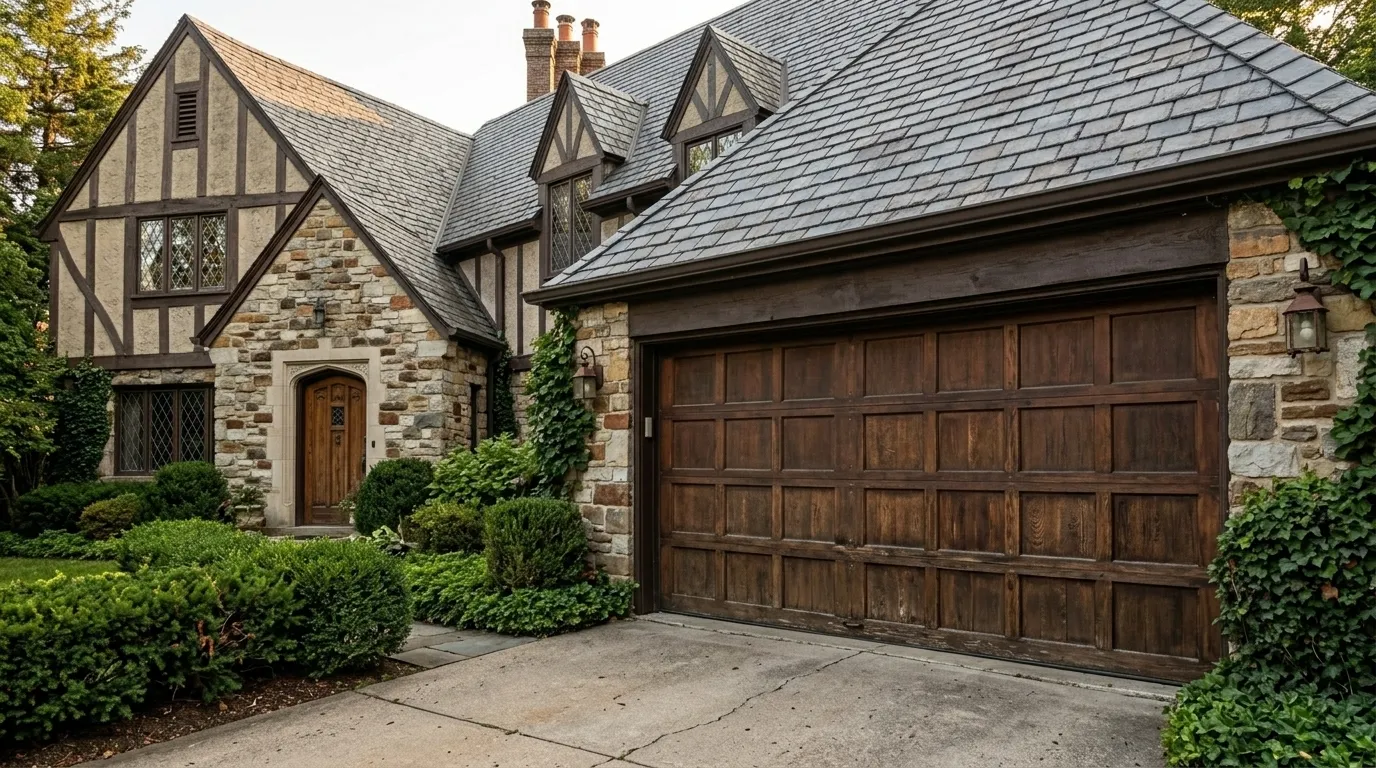
The other mistake is treating a spring snap as a standalone repair without asking why now. If a spring installed when the house was built in the early '90s is breaking today, the honest answer is usually that it simply ran out of life, and the cold morning just supplied the final bit of contraction needed to finish the job. Owners who replace the spring and change nothing else are often back in the same spot within a season or two, because the opener, cables, and rollers on that same door are the same age and under the same stress.
What we find
How Local Conditions Play In
This area sees severe summer heat, and that matters more to a spring than most owners realize. Heat breaks down the lubricant coating the coils faster than it would in a milder climate. By the time the weather finally cools off, a spring that's gone through several summers here is often running dry, with metal grinding on metal every time the door cycles. That's the real damage. The occasional cold morning that follows doesn't cause the failure - it just adds one more contraction to metal that's already fatigued and under-lubricated, and that's often enough to be the last cycle it has in it.
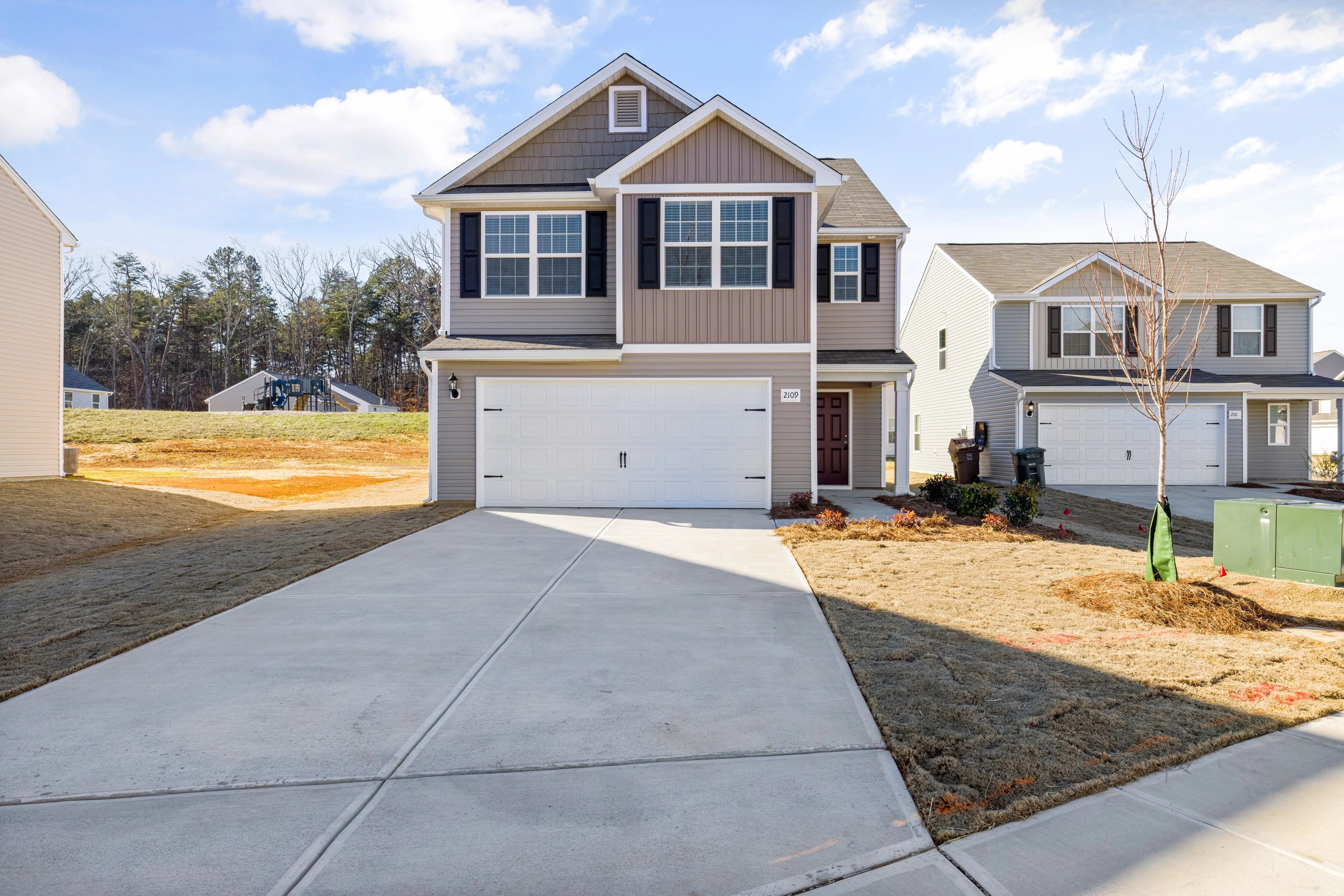
This isn't isolated to one street. Neighborhoods like Higley Pointe, Morrison Ranch, and Power Ranch sit in that same 1980s-90s build window as the rest of the area, so a spring failing on one block is often the same age and has been through the same number of heat cycles as the spring two streets over. If yours just went, the one on the house next door probably isn't far behind.
How we work
The Situation
With roughly 20,703 owner-occupied houses in this service area, most built in that same narrow 1990-2002 window, a lot of springs are aging out around the same time. That's not a reason to panic, but it's a reason to look at the spring before it looks at you - meaning before it breaks on a Tuesday morning with the car trapped inside.
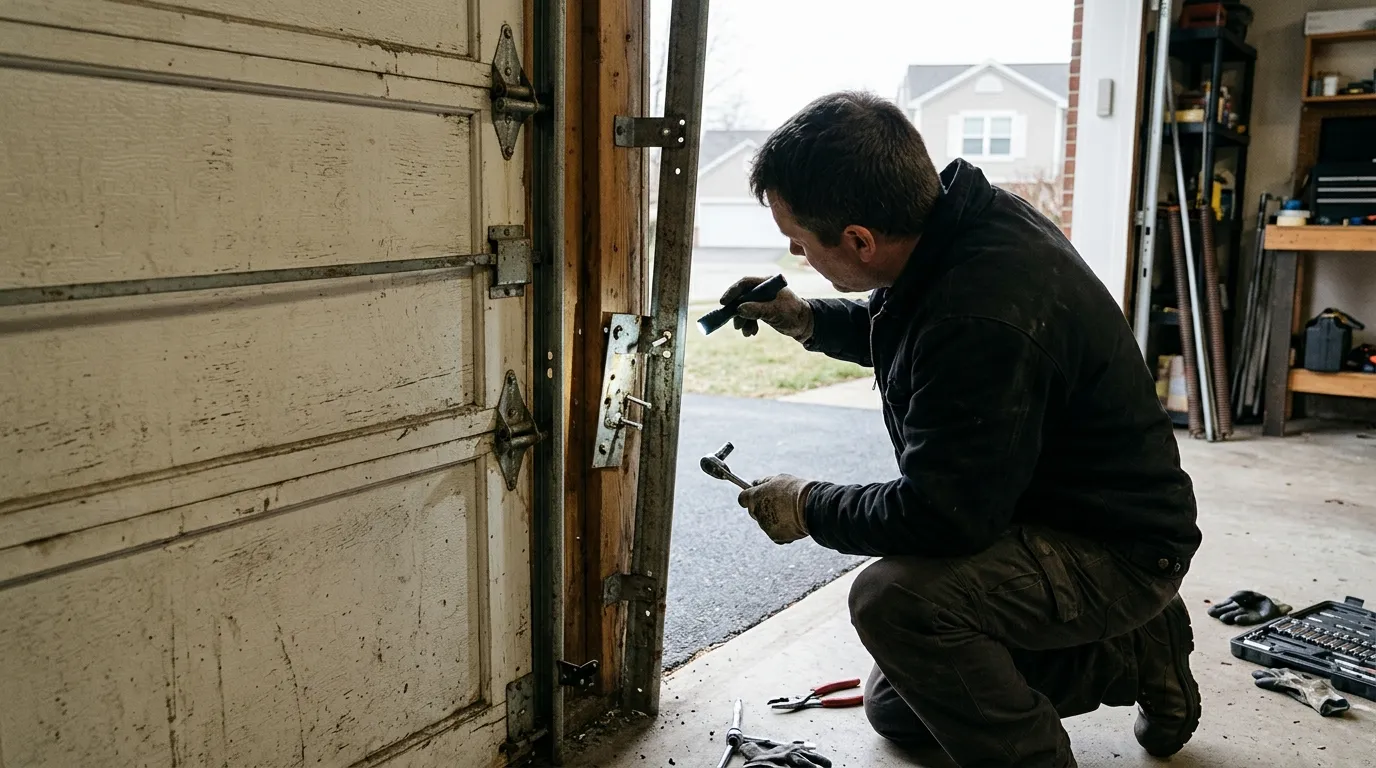
At a median household income of $63,545 for the area, a planned spring replacement is a manageable expense. An after-hours call once the spring has already gone, with the door stuck and a car behind it, tends to cost more and land at a worse time. We'll be straight about one limitation: if a spring on an older door has gone, it's common to find the cables, rollers, or opener gears are close behind, and we're not going to sell you a spring swap and pretend the rest of the door owes you nothing. Sometimes the honest call is replacing more than just the part that broke.
Questions
Common questions
Why did my spring break in winter if it's always hot here?
Heat is what wears the spring down over time - it dries out the lubricant and stresses the coil through years of summer cycling. A cold morning doesn't cause that damage, it just adds one more contraction to a spring that was already running dry and fatigued. The break looks sudden, but the wear was years in the making.
My house was built in the early '90s. Is the spring original?
It's possible. A lot of houses in this area were built between 1990 and 2002, and if nobody has replaced the spring since, it could still be the original one. That would put it well past the working life expected of residential torsion springs, regardless of how it looks from the outside.
Is it worth replacing just the spring or should I look at more?
On an older door, a broken spring is often a sign the cables, rollers, or opener are near the same age and stress level. We'll check those while we're there rather than replace one part and leave the rest to fail next. Sometimes a spring swap is genuinely all it needs - we won't pad the job either way.
Ready when you are
Need a garage door sorted in Gilbert?
Gilbert Garage Door Co repairs and installs garage doors, springs and openers in Gilbert, AZ and the surrounding area.