
Guide
What's Actually Included in a Service Call Here
A straight look at what a Gilbert Garage Door Co. service call includes, why 1990s-era hardware and severe summer heat change the diagnosis, and what we won't do on a first visit.
Local detail
Leaving It Alone
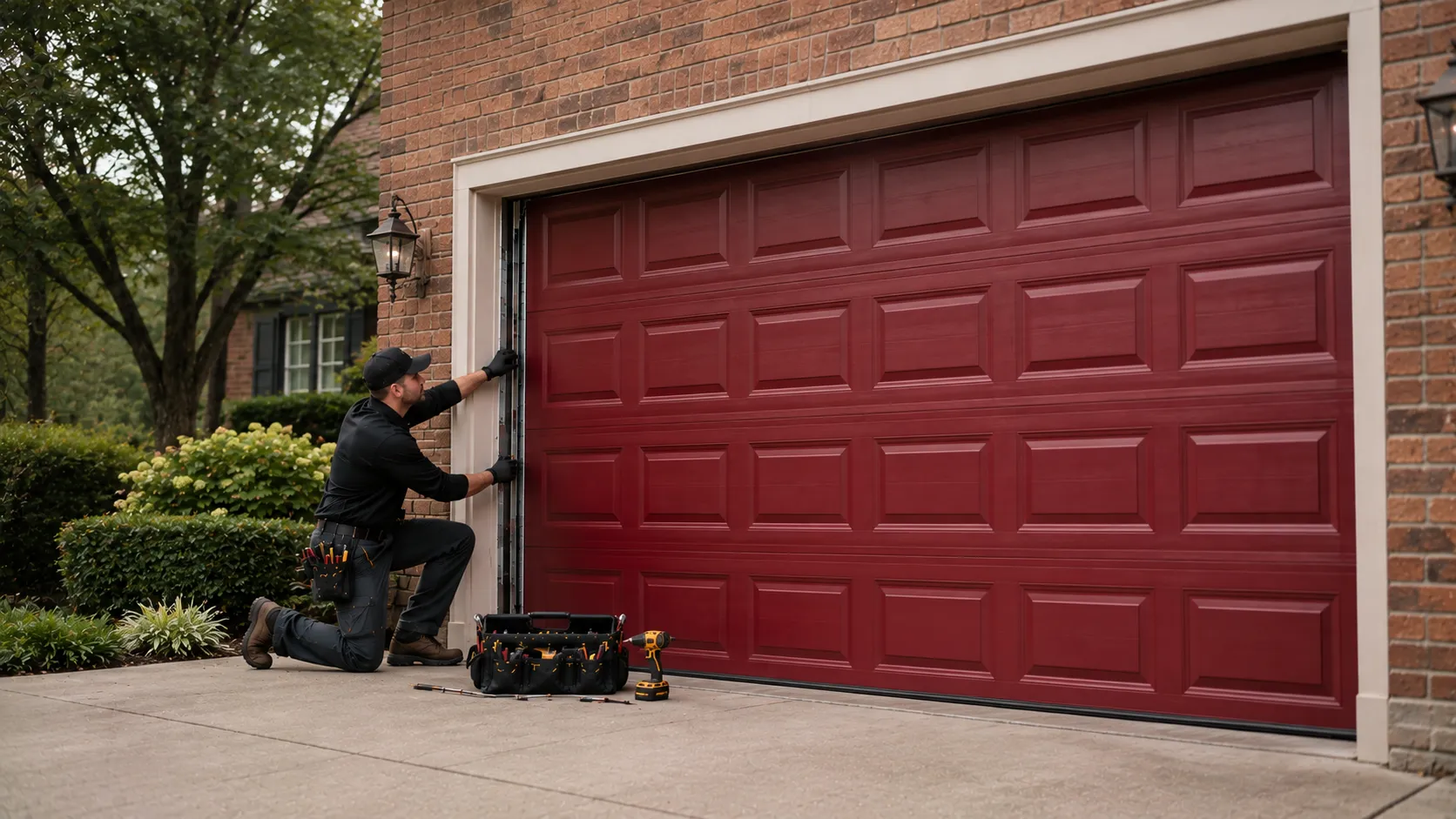
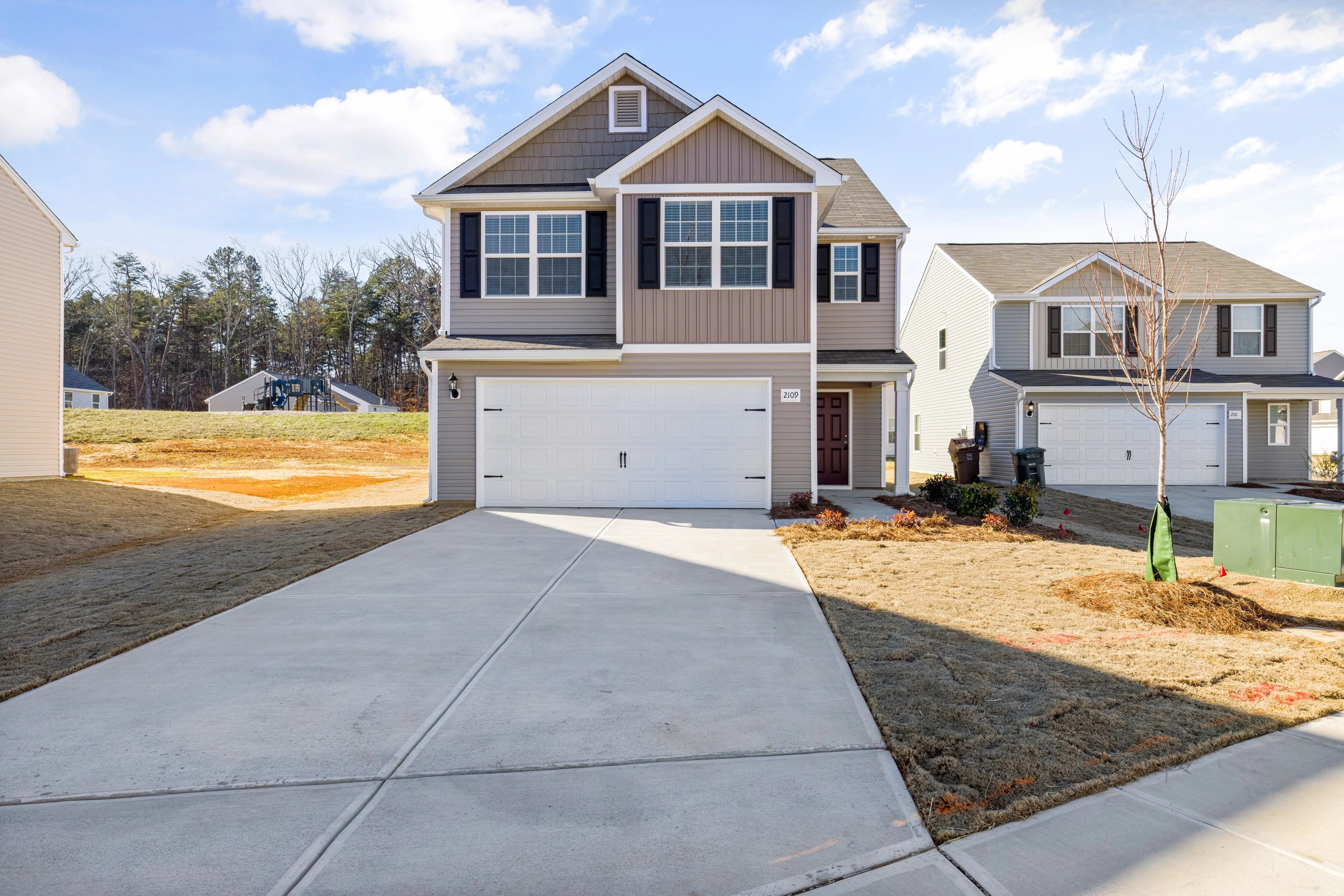
A lot of the doors we get called out on in Gilbert are original to the house, and most of this housing went up between 1990 and 2002, with a median build year around 1993. That matters because a door that age isn't failing from neglect - it's failing because the torsion spring, the opener circuit board, and the nylon rollers were all rated for a service life that's now behind them. If your door is slow to open or the opener grinds before it lifts, don't start swapping parts yourself.
Springs on doors this age are under load calculated for hardware that's now 25-plus years old, and the tension isn't something to guess at. We'd rather come look at what's actually there - the drum size, the cable routing, the bracket wear - than have someone hurt on a spring that was never meant to be touched twice. That's the honest limit here: we don't walk people through spring swaps over the phone, and we won't pretend a five-minute YouTube fix applies to a door installed under a different code cycle than what's built today.
The area
Where People Go Wrong
The most common mistake we see is someone replacing an opener and assuming that fixes the door. In the older pockets of Gilbert's stock - the 1980s and 90s neighborhoods that make up a good chunk of what's out there - the opener is rarely the actual problem. It's the track alignment or a spring that's lost a coil of tension slowly enough that the opener just started working harder to compensate. Swap the opener, and six months later the new unit is straining against the same worn spring, burning out faster than it should.
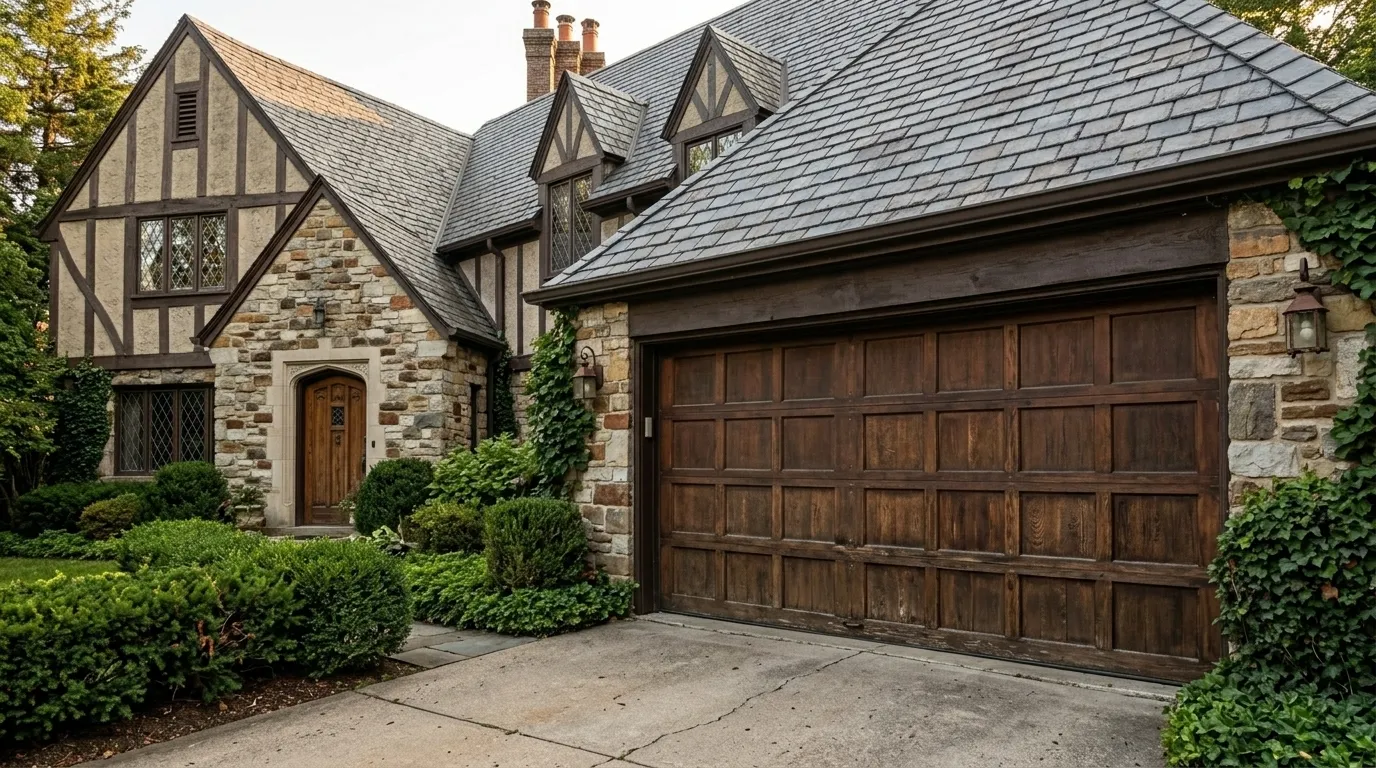
The second mistake is treating every noisy door the same way. A door built to older hardware standards doesn't behave like a door installed under current codes, and treating them identically - same rollers, same lubricant schedule, same tension settings - means one of the two ends up wrong. We look at what era the door and opener actually came from before we touch anything, because guessing based on what's typical elsewhere gets the diagnosis wrong here more often than people expect.
What we find
How Local Conditions Play In
Gilbert sits in a severe heat band, and that's the piece people underestimate. It's not the door panel that suffers most - it's everything that moves. Nylon rollers get brittle and crack. Lubricant on torsion springs cooks off faster than the maintenance interval most manufacturers print on the box.
Opener circuit boards, especially older ones from the 1990s installs, sit in garages that regularly run well past what the board was designed to tolerate, and that shortens their working life whether the door gets used once a day or ten times. On a service call, that's usually where we look first if a door's acting up in summer specifically - not the spring tension, not the track, but whether heat has already taken out a component that would otherwise still have years left. It's also why we don't push synthetic lubricant as a cure-all; on a 20-year-old spring that's already fatigued from heat cycling, lubricant buys weeks, not years.
How we work
The Situation
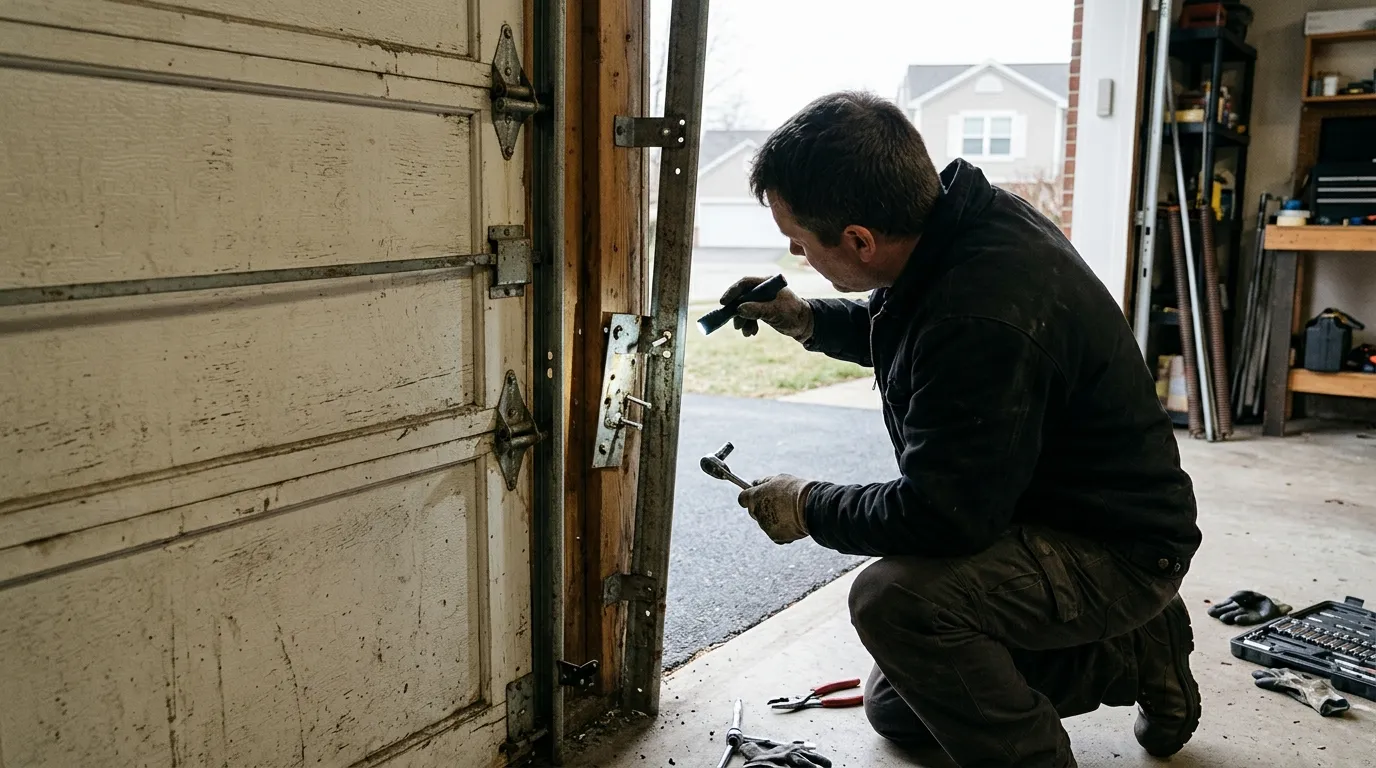
A service call here covers a full look at the door and opener as a system, not just the part that's making noise. That means checking spring tension against the door's weight and age, checking the track and rollers for the wear pattern that heat cycling causes, and pulling the opener's logic board history if it's accessible, before we quote anything. Across this service area - roughly 33,459 households, with about 20,700 of them owner-occupied houses - median household income runs around $63,545, and most people we talk to want a clear repair-or-replace number up front rather than a sales pitch.
So that's what the visit is: diagnosis, a real number, and the honest call on whether a 1990s door with a fatigued spring is worth fixing or worth replacing outright. Whether the call comes from a house near Higley Pointe or one closer to Morrison Ranch, the hardware in front of us is usually pulled from the same handful of build eras, and that's what we're actually diagnosing against.
Questions
Common questions
Why does my opener keep failing even after I replace it?
If the door itself - spring tension, track alignment, rollers - hasn't been checked, a new opener is just working against the same underlying problem the old one was straining against. This shows up a lot in Gilbert's older 1990s-era installs where the spring has quietly lost tension over two decades.
Does the summer heat actually affect the door or just the opener?
Both, but differently. Heat dries out spring lubricant and makes rollers brittle faster than the printed maintenance schedule assumes, and it shortens the life of opener circuit boards sitting in a hot garage. In a severe heat climate like this, that timeline runs faster than in milder regions.
How do you decide between repair and replacement?
We look at the age of the hardware against what's failing. A door from the early 1990s with a fatigued spring and a dying opener board is often past the point where individual repairs make financial sense. We'll give you the real number for both options before doing any work.
Ready when you are
Need a garage door sorted in Gilbert?
Gilbert Garage Door Co repairs and installs garage doors, springs and openers in Gilbert, AZ and the surrounding area.